




The foundations were actually laid 177 years ago in the small town of Wetzlar in the German state of Hesse. It was here that Carl Kellner founded the company Optisches Institut, which produced spectacles and telescopes renowned for their precision. But just over 60 years later, an engineer named Oskar Barnack walked through the door. His great passion was the mysteries of photography. And that would change the company forever, transforming it into a world-renowned brand known for its small, compact cameras.
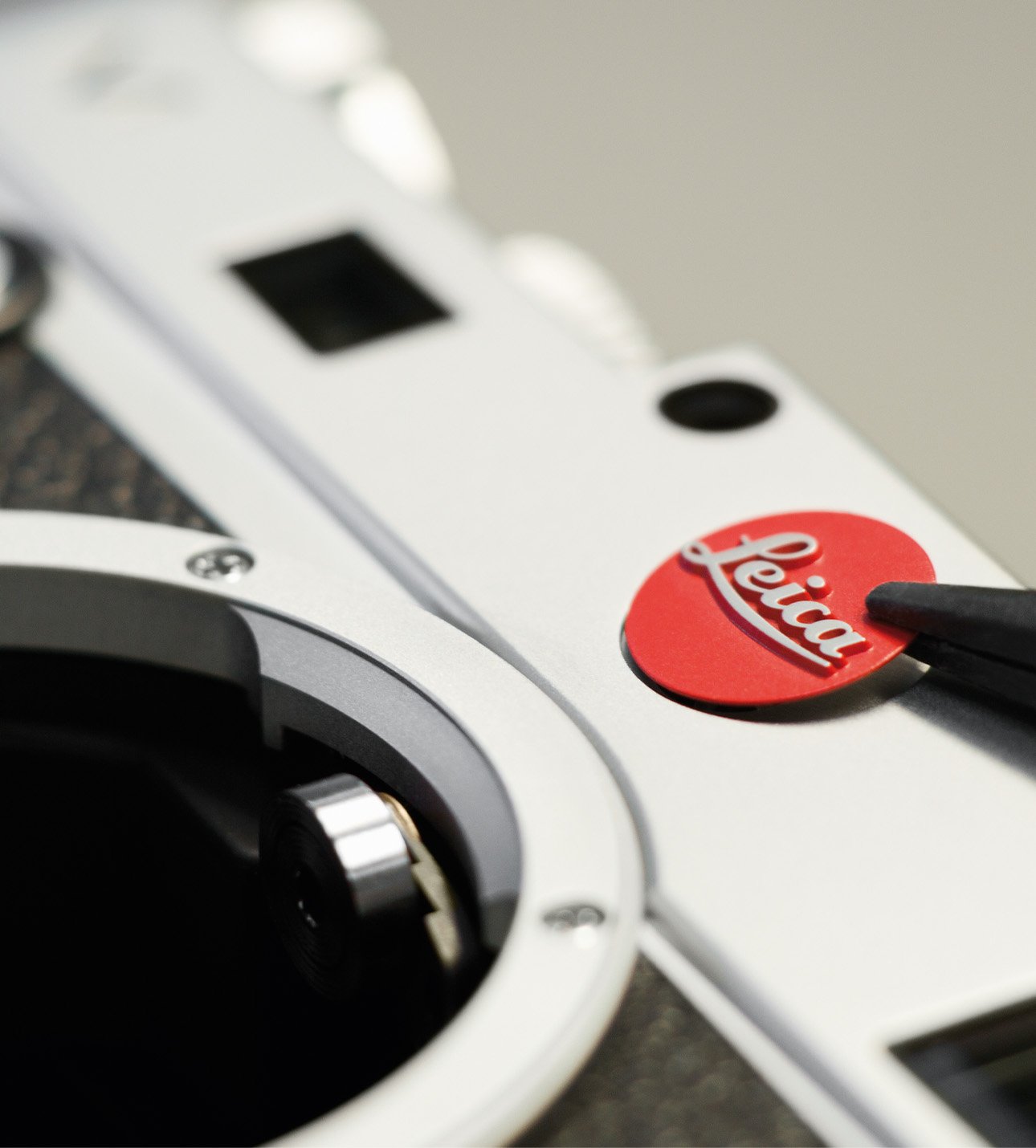
Quite simply, it is the sound that reveals the precision engineering at the very highest level. A muted mechanical click, felt more than heard. The weight of cold metal in your hand, the silky-smooth resistance of the focus ring. Holding a Leica camera is like holding a piece of history in your hands, but it is also a promise: a promise of a photograph created with precision and a clear purpose. In a world awash with digital images, Leica is not just a camera. It is a philosophy.
There are camera brands, and then there is Leica. Of course, well-known brands such as Canon and Nikon have plenty to offer. But perhaps they lack the weight of history.
For more than a century, the German brand has been synonymous with uncompromising quality, technical perfection and an almost mythical status among photographers. Leica is not simply a camera. It is a piece of industrial and cultural history. A symbol of European engineering, where precision, aesthetics and functionality come together to create something that reaches far beyond the product’s original purpose.
The fact that Leica remains relevant today, when billions of photographs are taken every single day with smartphones and artificial intelligence is making its way into image processing, is remarkable in itself. The story of Leica is therefore not simply the story of a camera. It is the story of how a traditional precision-engineering icon has managed to navigate one of the greatest technological transformations of modern times.
The Camera That Changed the World
The story begins in the small German town of Wetzlar, where the Ernst Leitz company manufactured microscopes and optical instruments at the beginning of the 20th century. In fact, Leitz had existed since 1849. But at the turn of the century, photography was one of the great technological innovations of the age.
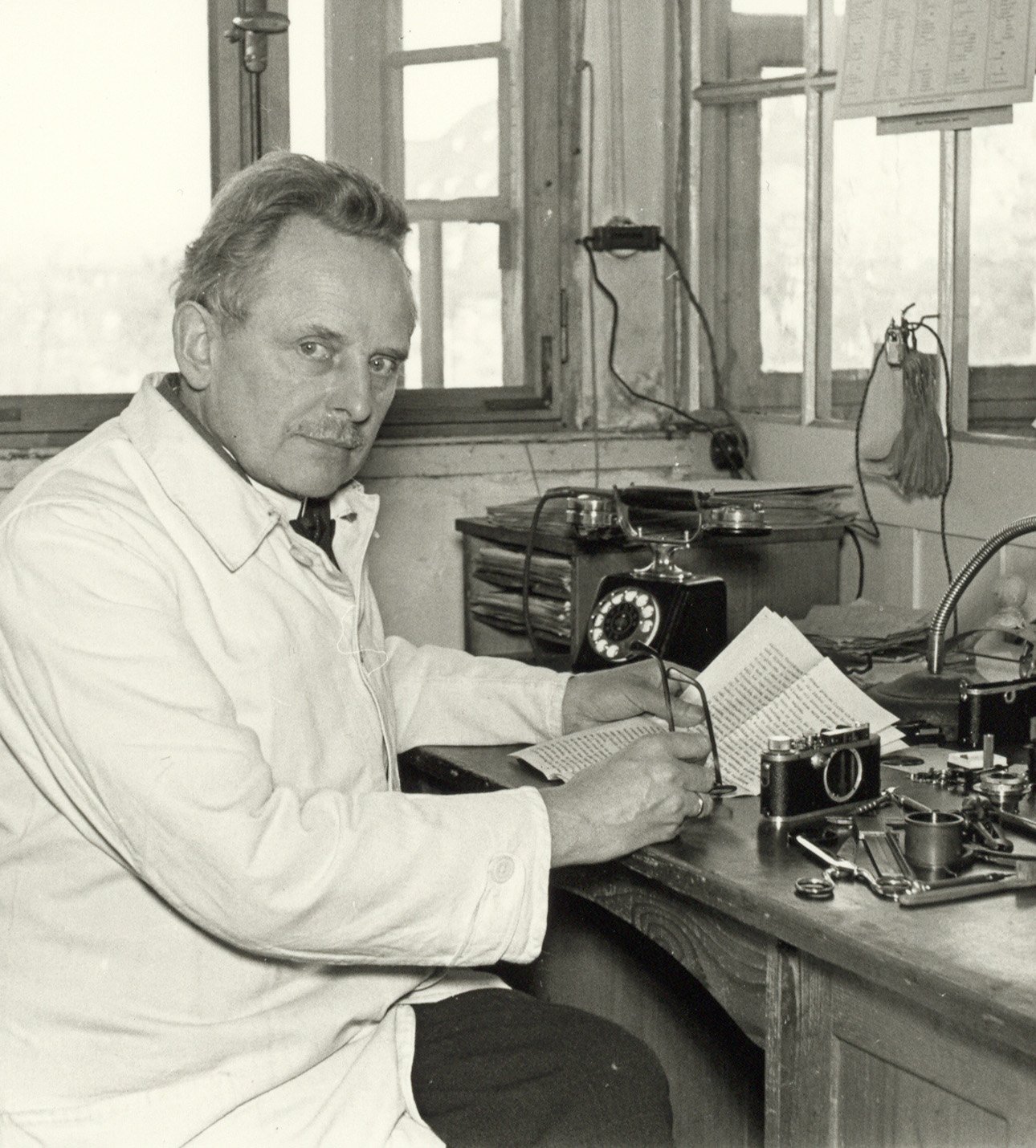
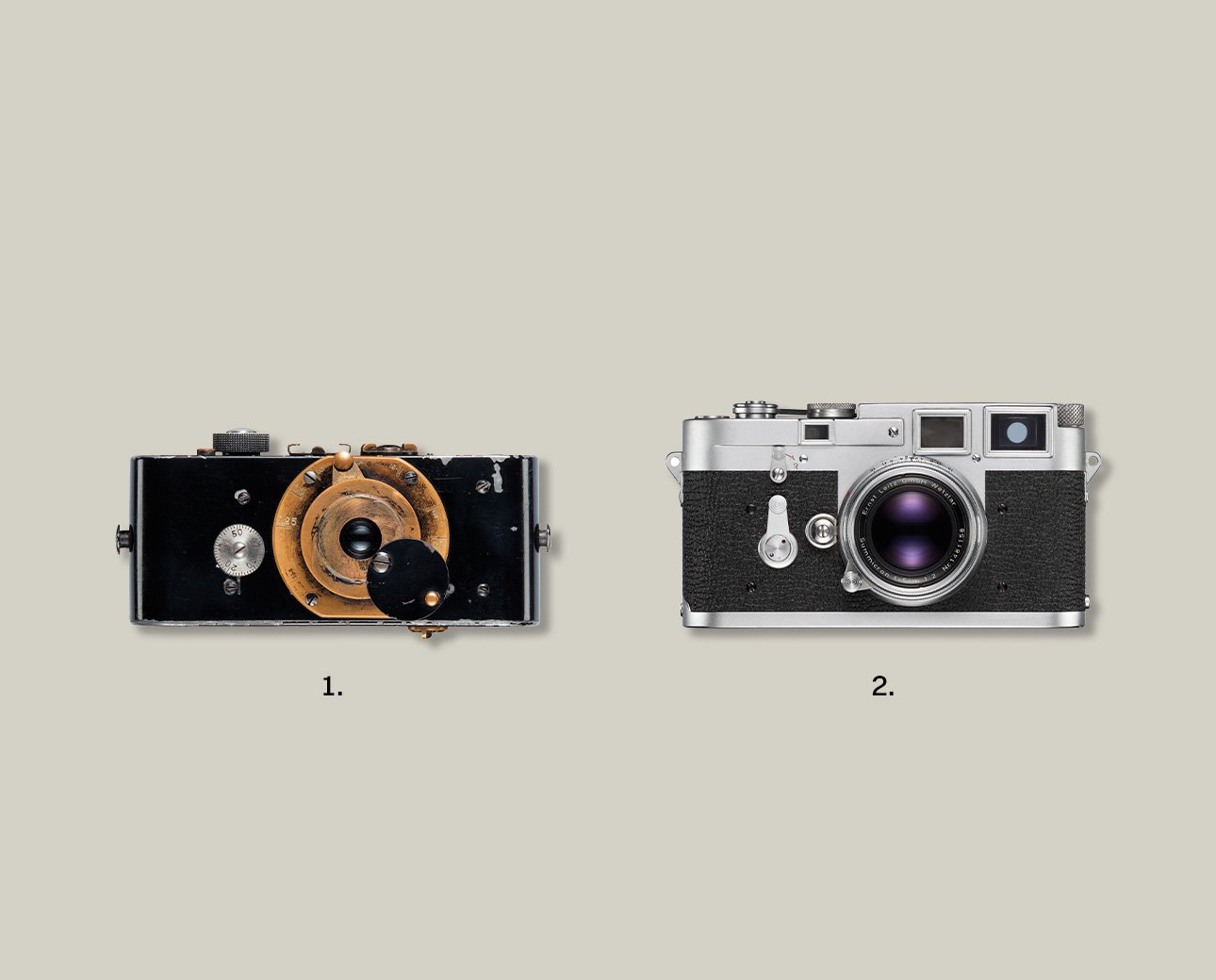
This was where engineer Oskar Barnack worked. In 1913, he developed a compact camera based on 35 mm film. At the time, the film format was primarily used for motion pictures, but Barnack saw the potential for creating a lightweight, portable camera that could replace the large and heavy photographic equipment of the day. He suffered from asthma and found it difficult to carry the cameras and necessary equipment of the time into the Alps, where he loved photographing the beautiful landscapes.
The result was the prototype that would later evolve into Leica – a contraction of Leitz Camera. But a world war and several turbulent post-war years would pass before Barnack was able to bring his first compact camera to market.
When the Leica I was launched in 1925, it was met with scepticism. Many professional photographers believed the negative was too small to produce images of sufficient quality. But they were wrong. Leica made it possible to photograph spontaneously, quickly and discreetly. Suddenly, photographers could move freely through streets, across battlefields and among people without attracting attention. The camera became a crucial tool in the development of modern photojournalism.
Some of the 20th century’s most iconic photographs were taken with Leica cameras. Photographers such as Henri Cartier-Bresson, Robert Capa and Sebastião Salgado made Leica their tool of choice.
The Digital Threat
For Leica, the transition to the digital age became an existential challenge. During the 1990s and early 2000s, digital photography fundamentally transformed the market. Traditional film producers and camera manufacturers experienced dramatic declines in demand.
Many companies responded by pursuing volume and the mass market. Leica chose a different path. The company recognised early on that it could not compete with the Japanese giants on price or production volume. Instead, it focused on what had made the brand unique: optical quality, design, craftsmanship and a distinctive user experience.
The strategy was risky. The first digital Leica models faced both technical challenges and criticism. But the company remained committed to its ambition of creating digital cameras that still felt like a Leica.
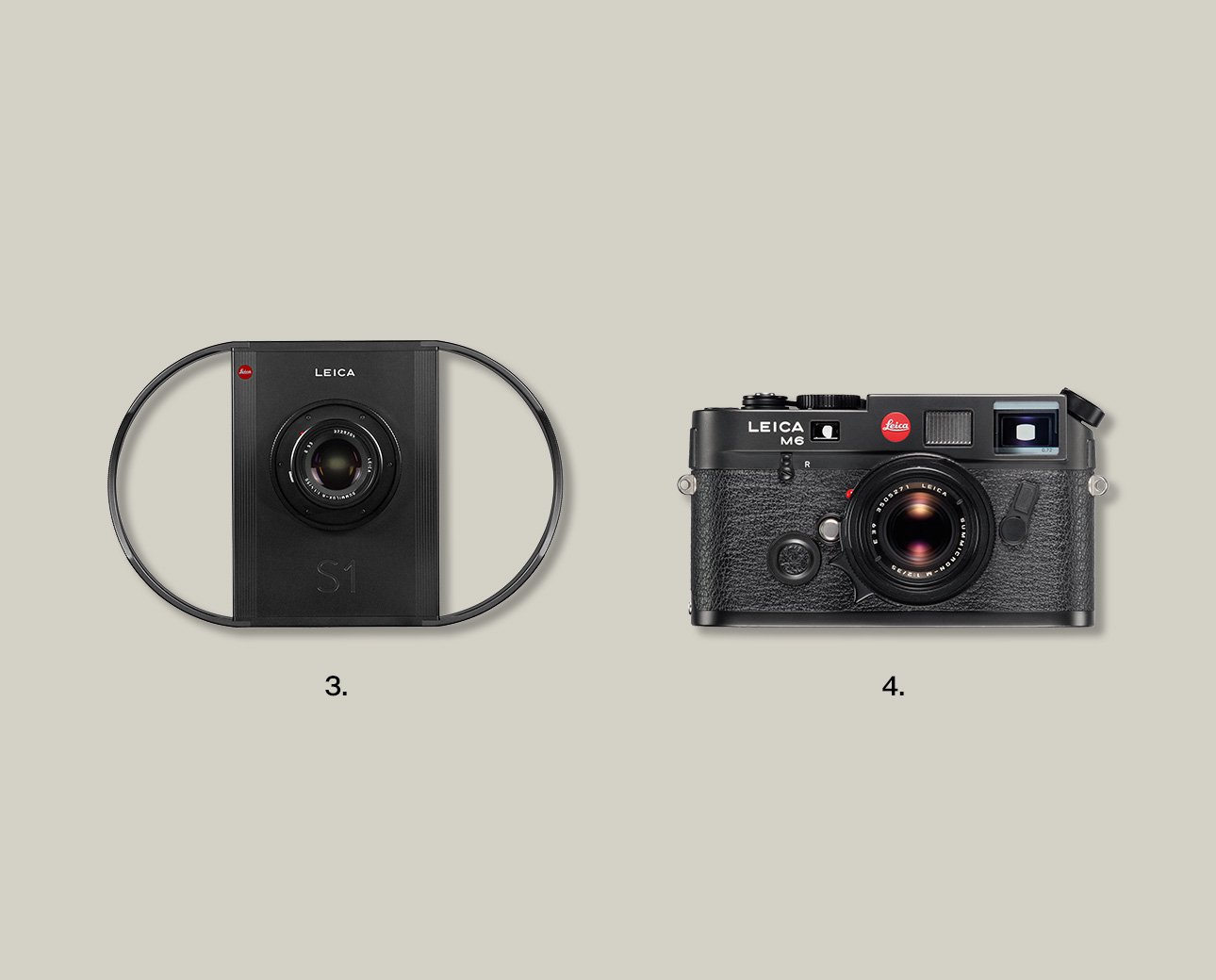
One of the results was the digital M series, which carried the classic rangefinder system into a modern context. For many Leica enthusiasts, this was crucial. The cameras retained the soul of their analogue predecessors while taking advantage of the benefits offered by digital imaging technology.
Innovation Without Losing Its Identity
Perhaps Leica’s greatest achievement is not the technological breakthroughs themselves, but the company’s ability to integrate them without losing its identity.
Rather than competing for the highest number of megapixels or the longest list of specifications, Leica has focused on image quality and the photographer’s experience. This required the development of new sensor technology, image processing and advanced optics. At the same time, however, the design has changed surprisingly little over the decades. A Leica M today is unmistakably related to models from the middle of the last century. This stands in sharp contrast to the rest of the electronics industry, where products often lose their identity through rapid generational changes.
The Partnership with the Smartphone Industry
One of the most interesting chapters in Leica’s more recent history is its collaboration with smartphone manufacturers. While many traditional camera manufacturers viewed the smartphone as a threat, Leica saw an opportunity.
In particular, the partnership with Huawei, followed by collaborations with other manufacturers, has made it possible to bring Leica’s expertise in optics and image processing to millions of users. In doing so, Leica has managed to extend its influence far beyond the exclusive market for premium cameras.
A Luxury Brand with Technological Substance
Today, Leica occupies a rare position at the intersection of technological excellence and luxury. The brand competes not only with other camera manufacturers, but also with Swiss watchmakers, Italian sports cars and exclusive fashion houses for the attention of affluent consumers.
The difference is that Leica’s status is not primarily built on marketing. It has emerged through decades of proven technical expertise. When professional photographers and collectors invest significant sums in a Leica camera, they are not simply buying a product. They are buying access to a history, a culture and a philosophy that have survived world wars, technological revolutions and changing consumer behaviour.
The Future in Focus
Leica’s history illustrates that technological development does not necessarily require abandoning one’s roots. Quite the opposite. From Oskar Barnack’s first 35 mm prototype to today’s digital cameras, Leica has demonstrated that innovation and tradition are not opposites.
In a world defined by constant change, perhaps that is precisely why Leica continues to stand out as something rare: a technology brand with a soul.