



Everyday luxury can take many forms. Something that signals success – and, not least, financial means. The perfect bespoke suit. A Swiss wristwatch. But it can just as easily be what you wear on your feet, where the secret lies in a wooden last kept by an internationally renowned shoemaker in London.
John Lobb’s Shoemaking Workshop
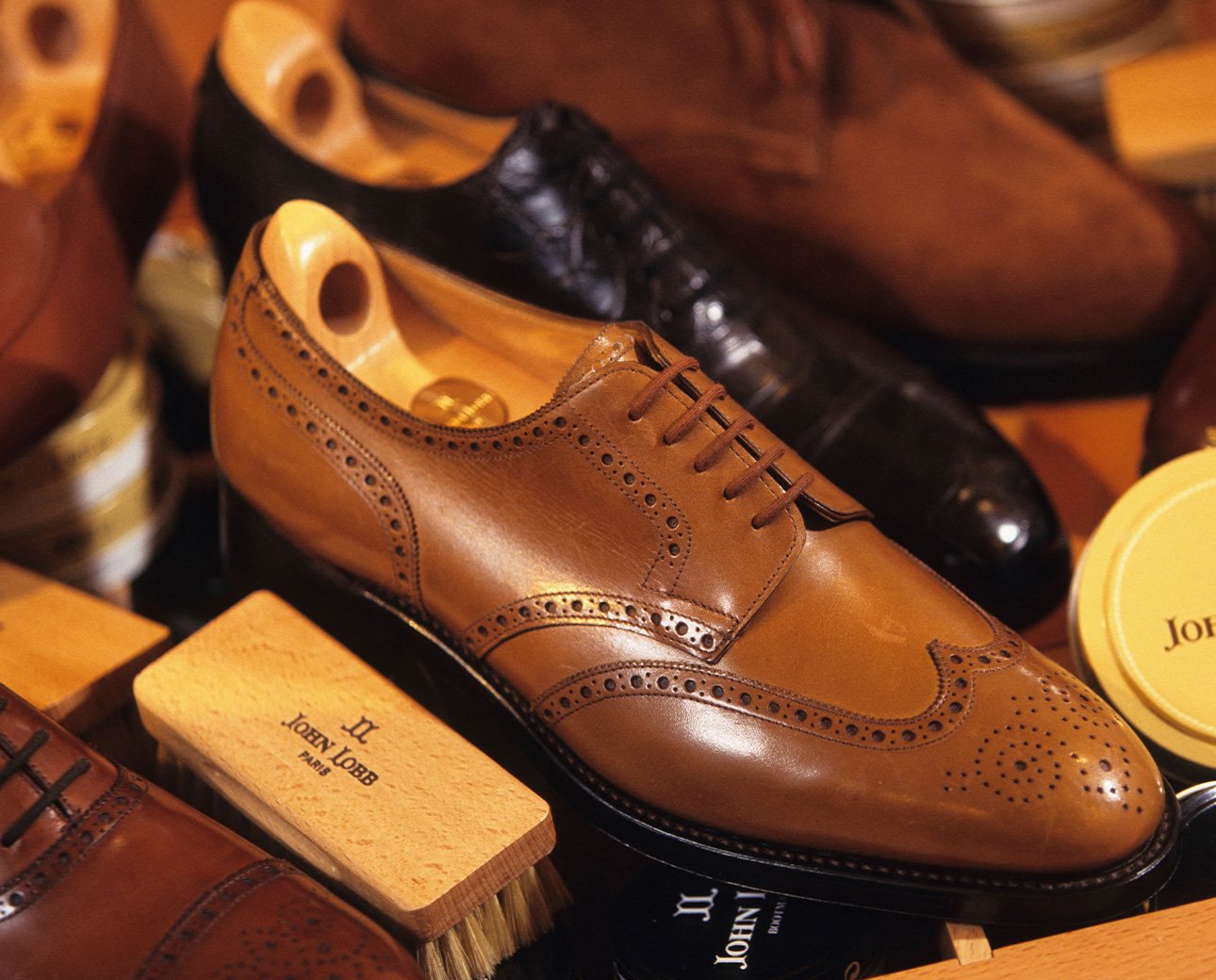
Of course, a smart pair of men’s shoes costing a few thousand kroner can do the job perfectly well. Especially if your feet fit standard sizes and the shoes are made from fine Italian leather. But if your new shoes are to be truly unique, you need a shoemaker who still practises the traditional craft of creating and keeping individual lasts. Finding one may require a short trip to London, Milan or Paris. In return, you get a pair of shoes that fit your feet perfectly.
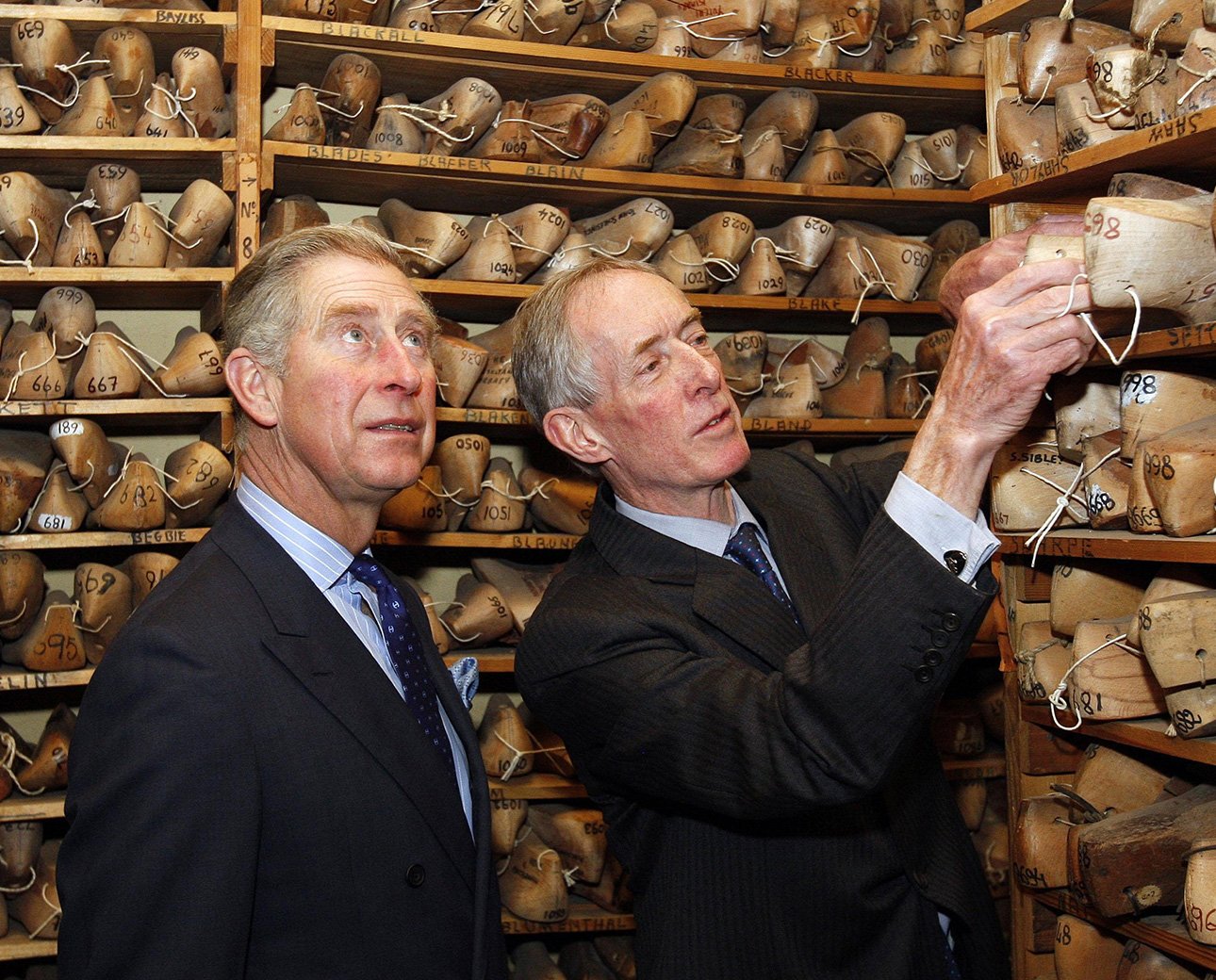
The true luxury is not necessarily the shoes themselves. At first glance, they look much like any other pair of quality shoes. No, the secret – and the extravagance – lies in the meticulously carved last kept on a shelf at the shoemaker’s workshop.
In the past, towns across Denmark were home to a wealth of specialist shops, where tailors, milliners and shoemakers could outfit the distinguished gentleman with suits, hats and shoes. Today, virtually only orthopaedic shoemakers remain. The rest make a living from a combination of shoe repairs and key cutting. It could hardly be otherwise when the majority of our shoes now come from large factories in Bangladesh or China.
True Luxury
In London, however, it is still possible to visit a shoemaker and have a completely unique pair of shoes made. These are not simply made to order or personalised. They are created from scratch to fit one individual perfectly.
But it is only when the final stitch has been sewn that the story truly begins. The entire process starts with precise measurements of the customer’s feet. The shoemaker then creates a personal form – known as a last – which is stored on a shelf in the workshop. And there it remains. Sometimes for decades, until its owner returns to order another pair of shoes.
This is where true luxury resides. On a shelf at the shoemaker’s.
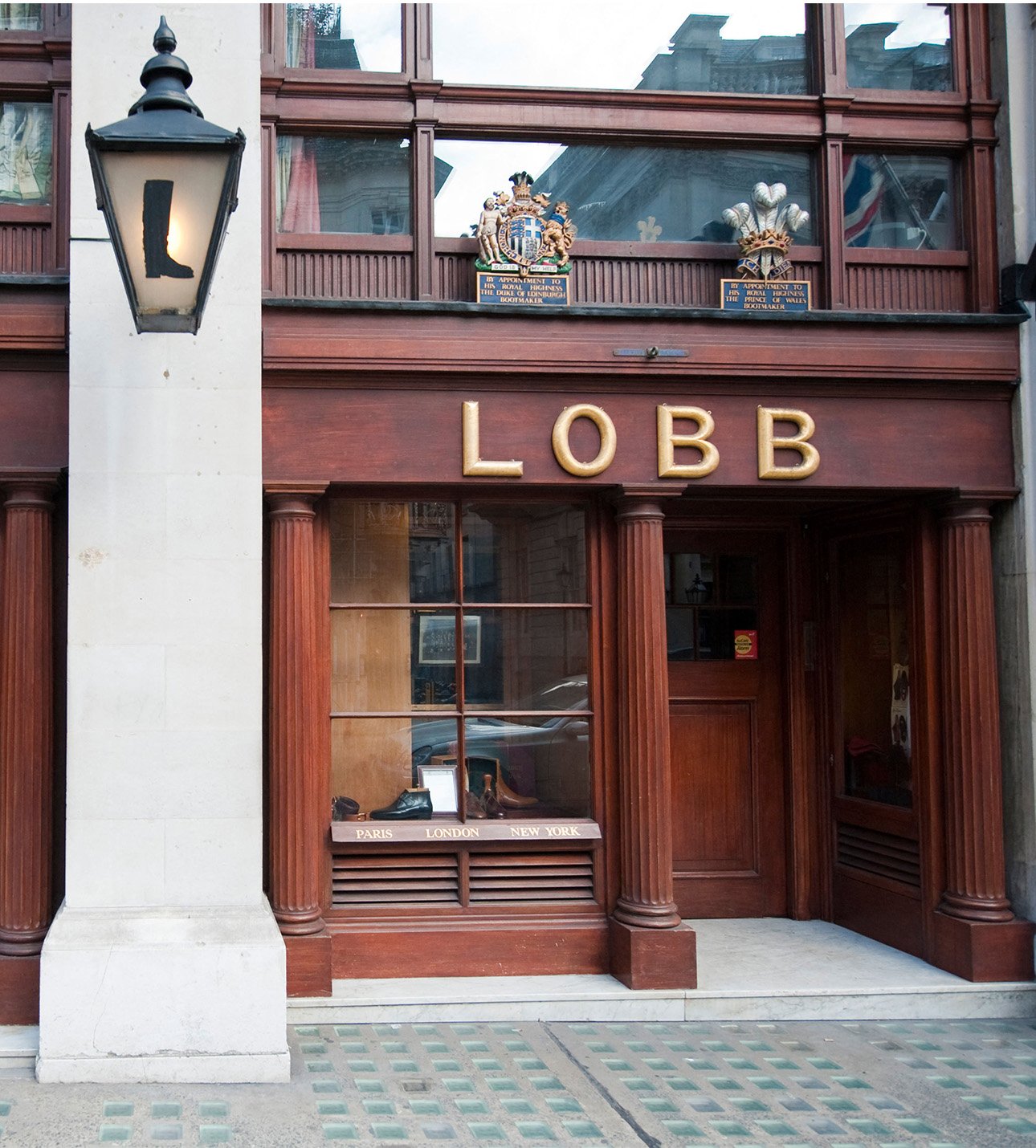
Shoemakers like these can still be found in central London. One example is John Lobb, located at 9 St. James’s Street. The company was founded around 160 years ago and has also had a sister shop in Paris since 1902.
Lobb did not have an easy start in life. He was a lame farm boy from Cornwall, but he dreamed of becoming a shoemaker. Whether because of his disability or simply bad luck is unknown, but he was unable to secure an apprenticeship in London. So, in 1849, he travelled to Australia, where he worked from a tent making sturdy boots for the many gold prospectors flocking to the Turon region of New South Wales in search of quick fortunes.
It was also in Australia that he received his first royal recognition. In 1863, he made a distinguished pair of riding boots for the Prince of Wales. Exactly how he obtained the Prince’s measurements while in Australia remains something of a mystery to this day.
It is this legacy that you become part of when you step through the door on St. James’s Street. A visit does not begin by browsing the shoes on display. Instead, it starts with a conversation. A conversation about the customer’s feet. His shoes. And, of course, what he wants from his new pair: should they be classic Oxford lace-ups or a pair of summery loafers?
It is also important for the shoemaker to observe how the customer actually walks – and, not least, the kind of lifestyle he leads: sporty, casual or more gentlemanly. This is followed by a meticulous measurement of the foot.
Only then does the real work begin. The shoemaker starts creating a last, refining it until it becomes an exact representation of the customer’s feet. A form that can serve as the foundation for new shoes or boots for many years to come.
Then, one day – six to seven months after the initial measurements – the new shoes are ready to be collected from the shop on St. James’s Street. For a price, of course. And not an insignificant one: £6,000–£8,000 – or as much as DKK 70,000. It is a considerable sum. In return, however, you receive a pair of shoes made to last for many years.
John Lobb’s London workshop has no shortage of customers. Over the years, members of royal families, film stars and other celebrities have walked through its doors to have their feet measured.
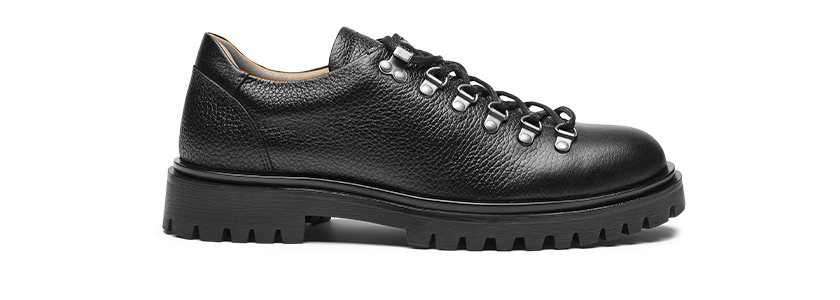
There are, however, less extravagant options. Driven by competition in the market, John Lobb has also developed a range of footwear at more accessible prices. A pair of ready-to-wear shoes costs approximately DKK 5,000–12,000 and is sold in many places around the world – including Denmark.