



Although the biggest environmental impact from the clothing industry lies in production, transportation, and waste management, we as consumers still play an important role. It's not about placing the entire responsibility on the individual, but about providing real help for self-help – that is, concrete advice and habits that can make a difference in everyday life.
When you know how to take better care of your clothes, it becomes easier to make more responsible choices without having to buy your way out of the problem with "green" solutions. By focusing on maintenance, repair, and thoughtful consumption, we promote behavior where clothes last longer and therefore don't need to be replaced as often.
It's not the solution to the fashion industry's climate footprint, but it's an honest and tangible contribution that both protects the environment and saves money. When we shift the focus from consumption to usage, we also question the idea that new purchases are always necessary – and this is an important part of the transition.
Here are some simple habits and tips that make a difference – not because they make the world perfect, but because they are realistic steps in a more responsible direction.
KAUFMANN's
GOOD TIPS
1. Wash with care
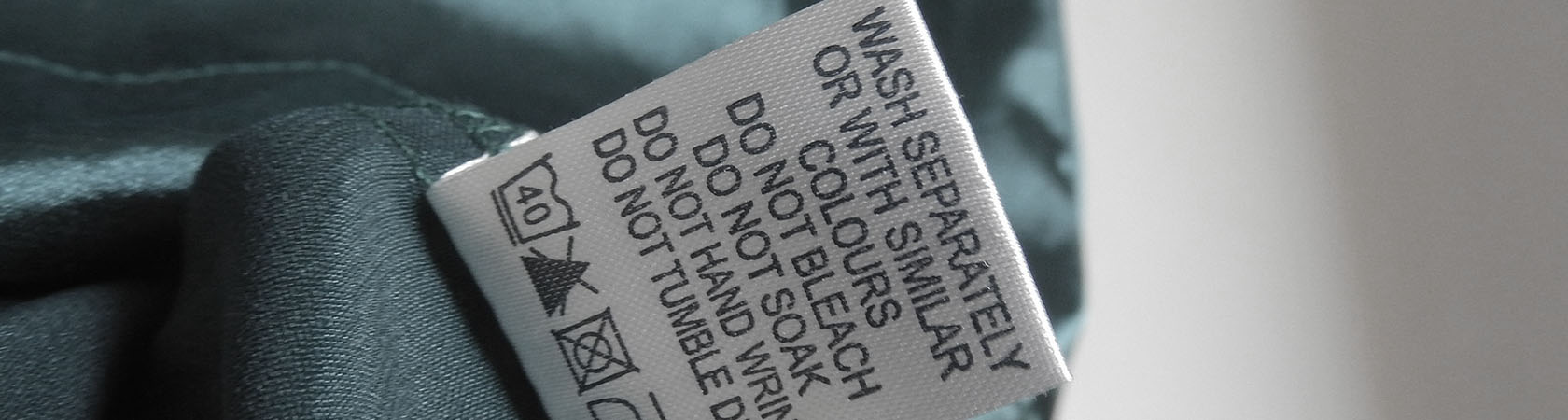
Over-washing and high temperatures wear out fabrics and cause colors to fade more quickly. Always follow the care instructions – or choose a gentler setting than recommended. Wash garments inside out to protect prints and surfaces, and be especially careful with delicate materials like wool, silk, and viscose. If the clothes aren't dirty or smelly, airing them out is often enough.
2. Avoid the tumble dryer
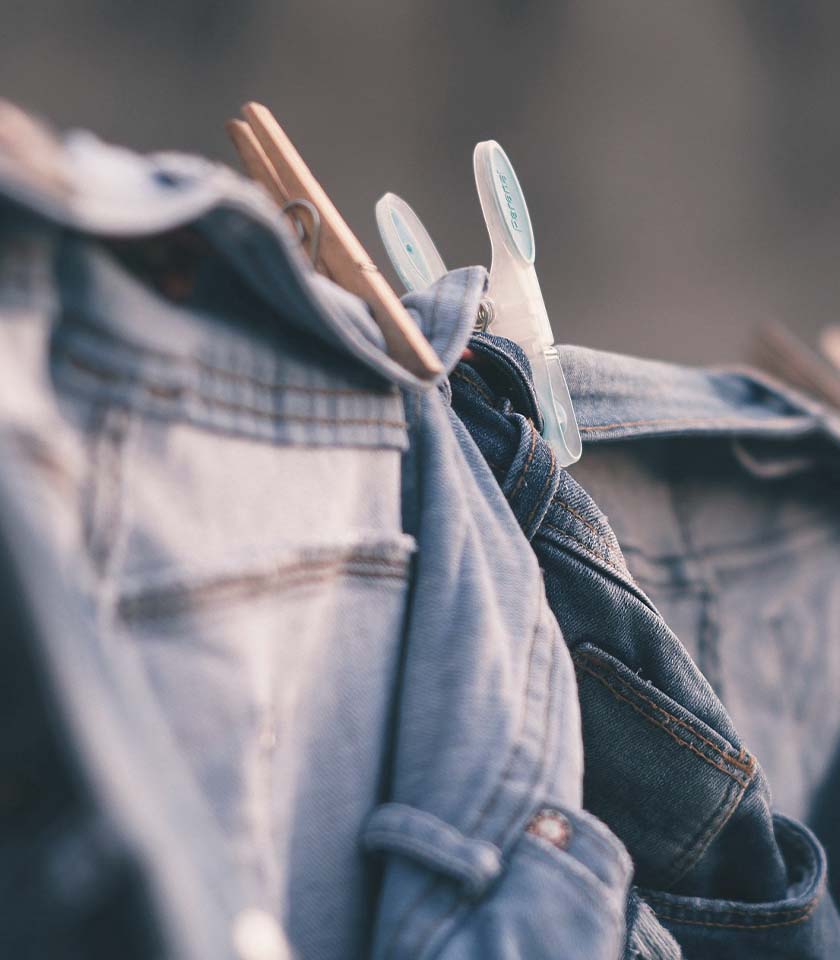
Tumble dryers can be harsh on fabrics – both the fibers and the fit. They also consume a lot of energy. Air drying is a gentler alternative that extends the lifespan of your clothes and reduces energy consumption.
3. Sort properly before washing
Separate clothes by color and material. Dark colors can transfer onto light ones, and rough fabrics with zippers or velcro can damage finer materials. Use laundry bags for delicate items for extra protection.
4. Repair instead of discarding
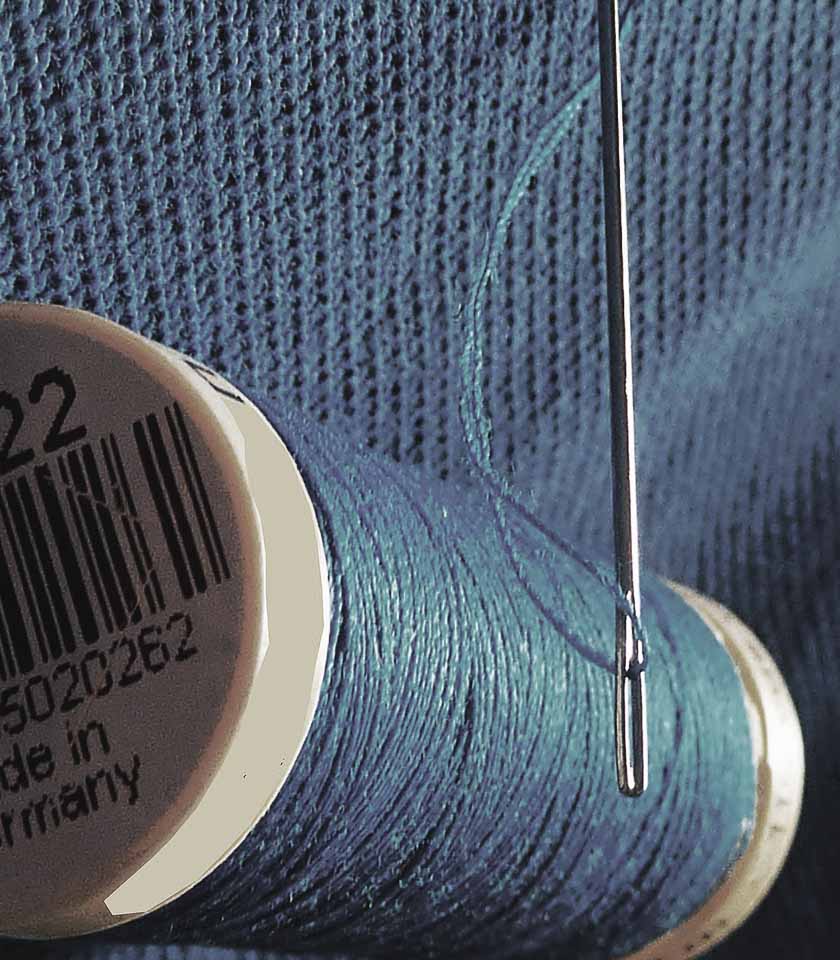
Minor damages like loose seams, holes, or buttons can often be easily repaired. If you're not experienced, there are many tailors and repair services available – and small adjustments can significantly extend the garment's lifespan.
5. Store clothes properly
Avoid damp or very hot environments, as this can lead to mold or deformation. Hang jackets and shirts on hangers, and fold other clothes gently in drawers or closets.
6. Go for quality
Clothes made from good materials and with solid craftsmanship typically last longer. Choose styles you can wear again and again – whether for comfort, design, or function. Timeless and versatile products are often the best choice in the long run.

7. Wear the clothes more – even the "fancy" ones
It doesn’t make sense for your best clothes to only be worn on special occasions. If you have something you really like, wear it – even for everyday use. Clothes that hang unused in the closet have no value.
8. Know your materials
Learn the difference between materials like cotton, polyester, wool, and linen. Some fabrics are durable and require little care, while others are delicate and break down quickly with improper handling. When you understand the properties of the fabric, you can choose the right clothes for the right purpose and take better care of them.
9. Give clothes breaks
Avoid wearing the same piece of clothing day after day – especially shoes and knitwear. The fibers benefit from "resting" and regaining their shape, which makes the clothing more durable over time.
10. Remove stains immediately
A stain that is left to dry can be harder to remove and may permanently damage the garment. A quick effort with mild soap or stain remover can make a big difference – and is better than buying new.
11. Share, swap, or borrow
If you only need a piece of clothing temporarily – for example, for a party or a season – consider borrowing, renting, or swapping instead of buying. It’s practical and gives the clothes more life without the need for new production.
12. Think before washing new clothes
Many people wash new clothes as soon as they get home with them. But this is not always necessary. Smell, labeling, and material can guide you in determining whether a wash is really needed – especially if the clothes aren't in direct contact with your skin.