


Back at the office also means returning to a wardrobe that needs to work from the first meeting of the morning to the last appointment of the day. However, the right workwear for men doesn’t necessarily mean a suit and tie. Dress codes have become more relaxed in many workplaces, with classic pieces increasingly combined with comfortable trousers, shirts, knitwear and overshirts. The key is finding the right balance between your workplace dress code, your personal style and clothes that keep you comfortable throughout the working day.
What should men wear to work?
There is no single formula for the perfect work wardrobe. While suits for men remain a natural part of the dress code in many offices, other workplaces have become more flexible. The modern work wardrobe can range from classic business attire to business casual and more relaxed looks.
As a starting point, you can consider three different styles:
Business: A suit, shirt and classic shoes. A reliable choice for workplaces with a formal dress code.
Business casual: A blazer, shirt or polo shirt combined with chinos or smart trousers. Professional, but less formal.
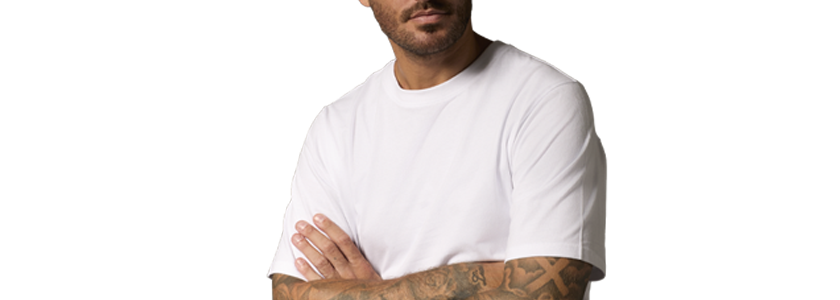
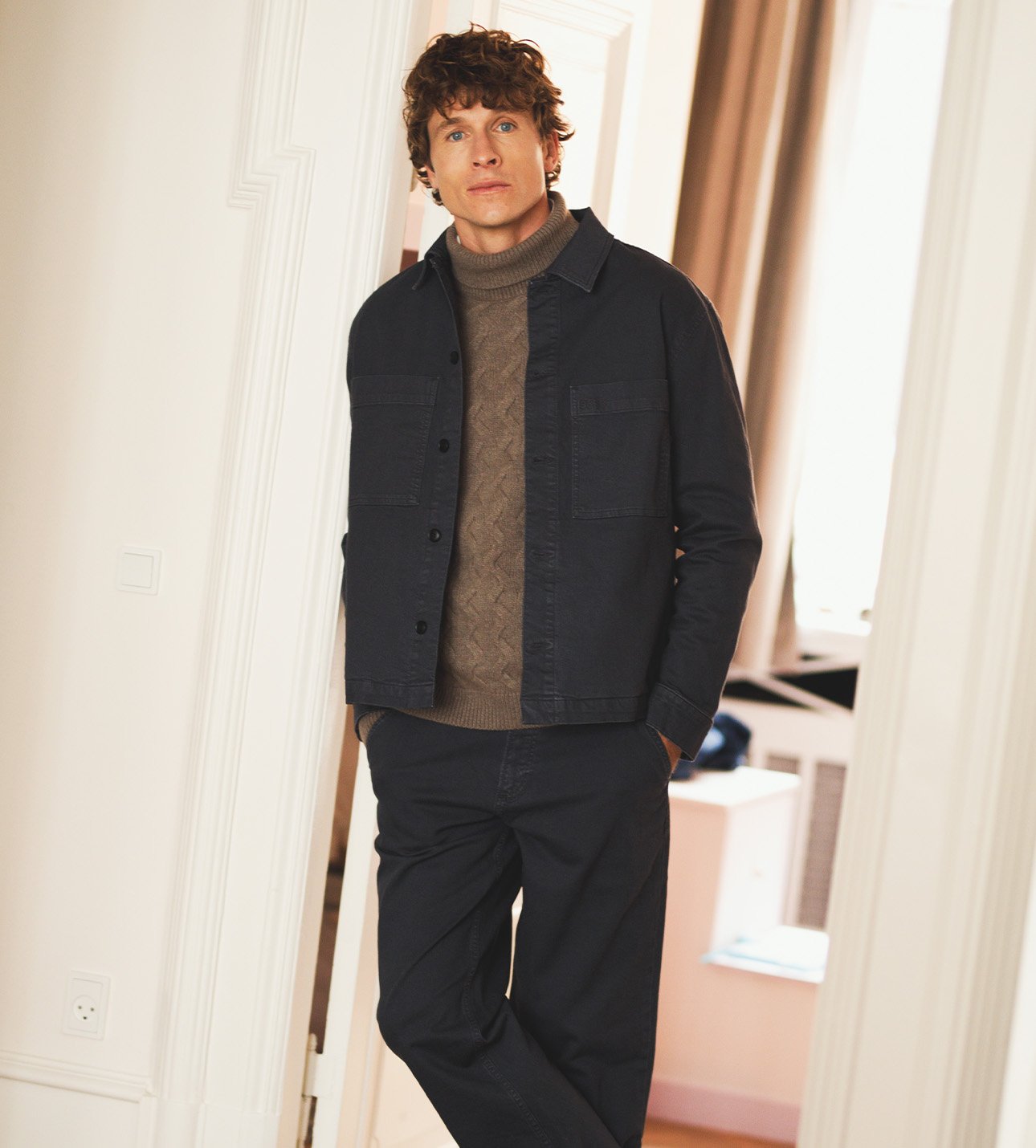
Smart casual: Knitwear, an overshirt, polo shirt or T-shirt paired with chinos, tailored trousers or dark jeans. A modern choice for workplaces with a more relaxed dress code.
If you are unsure, it is generally better to start slightly more formal and then adapt your wardrobe to the culture of your workplace. Above all, your workwear should show that you understand the setting and dress accordingly.

What does a workplace dress code mean?
A dress code essentially indicates how formally you are expected to dress. However, the boundaries have become more flexible. In many modern workplaces, business casual and smart casual have become a natural part of everyday office wear, as these styles combine a professional appearance with greater freedom and comfort. If your workplace does not have an official dress code, consider the company culture, what your colleagues wear and the situations you encounter throughout the working day. If you have client meetings or an important presentation, it may be appropriate to dress more formally. For a regular day at the office, you can opt for a more relaxed outfit.
A well-rounded work wardrobe can include:
- Neutral colours make it easier to mix and match your clothes.
- Navy, grey, black, beige and white are versatile base colours.
- A blazer can instantly give a casual outfit a more professional look.
- Shirts, polo shirts and knitwear make it easy to adjust the level of formality.
- Good comfort and fit are essential when your clothes need to work throughout the entire day.
The biggest advantage of building your work wardrobe around versatile pieces is that they can easily be mixed and matched. A pair of smart trousers, a classic shirt, a blazer and quality knitwear already give you plenty of options.

When should you wear a suit to work?
A suit remains a must-have in any professional wardrobe. If you work in finance, law or another industry with a traditionally formal dress code, a suit is often the natural choice. The same applies when you have an important client meeting, a presentation or another occasion where you want to look particularly polished. A classic navy or dark grey suit is a versatile place to start. Both colours are easy to pair with white or light blue shirts, while shoes and accessories can add a more personal touch to your outfit.
At the same time, a modern suit does not always have to be worn as a complete set. The suit jacket can be paired with chinos or other smart trousers, while the suit trousers can be styled with a shirt, polo shirt or knitwear. This gives you more styling options from each individual piece and makes it easy to move between formal business attire and business casual.
Shop
Suits & blazers
How do you build a great work wardrobe?
A functional work wardrobe does not need to consist of a large number of pieces. Instead, choose classic, high-quality items that work well together and can be worn in different combinations.
A good starting point is:
- 1–2 blazers in colours such as navy, grey or beige
- 2–3 pairs of chinos or classic trousers
- 3–5 shirts in neutral colours
- 1–2 polo shirts for more casual days
- A couple of classic knitwear pieces
- An overshirt for a modern, relaxed look
- A classic suit for formal days at work
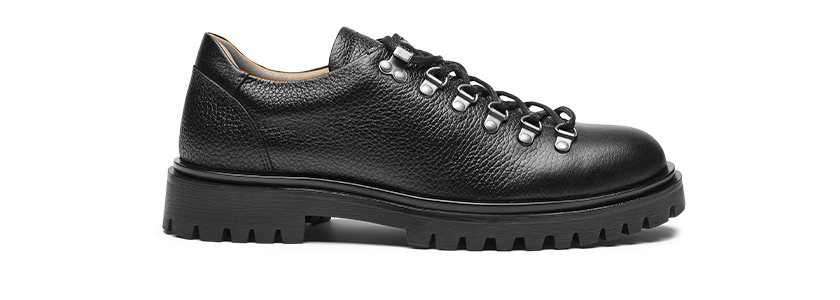
- A pair of classic business shoes or loafers and a pair of clean, understated sneakers
When colours and materials work well together, it becomes easier to create different outfits without having to rethink your entire wardrobe every morning. At the same time, you get workwear that can easily be worn after office hours
If you would rather change into something more relaxed after work, you can always opt for a sweatshirt or a pair of sweatpants.
What is business casual for men?
Business casual combines classic workwear with more relaxed elements. For example, you could wear chinos with a shirt and blazer, or a polo shirt with smart trousers.
Can you wear sneakers to the office?
Yes, as long as your workplace dress code allows it. Opt for clean, understated sneakers that complement the rest of your outfit.
Do you need to wear a suit to work?
Not necessarily. Suits are particularly suitable for formal workplaces and important meetings, while business casual is common in many other office environments.
Which trousers are best for the office?
Chinos and tailored trousers are versatile choices. In more casual workplaces, dark jeans can also work well.
What colour suit is best for work?
Navy and dark grey are classic and versatile choices that are easy to combine with different shirts, shoes and accessories.
Ready to upgrade your work wardrobe?
At KAUFMANN, you’ll find a wide selection of suits, blazers, trousers, shirts, polo shirts and shoes from a range of renowned brands. Find your favourites and build a work wardrobe that combines comfort and a great fit with a modern look and versatile styles you can wear well beyond the office.