





They line up along Store Kongensgade and Bredgade in Copenhagen, as well as in central Aarhus. These art galleries give both established and emerging artists the opportunity to get closer to the audience that has both the means and the willingness to purchase artworks for the home. But in Copenhagen’s Nordvest district, Andersen’s Contemporary sits a little removed from the city’s priciest addresses.
Andersen’s Contemporary
On Rentemestervej in the northwestern corner of Copenhagen, among old industrial buildings and tall residential blocks, sits an art gallery that, despite its English-sounding name, is thoroughly Danish. Its name is Andersen’s Contemporary. It is run and owned by founder Claus Andersen, who has been operating galleries since the early 1990s. He has had galleries out on Amager and, yes, also on Bredgade—in an apartment on the first floor. Now he has established himself in the Nordvest district, a wild and varied neighborhood that includes apartment complexes, row houses, and a mix of new and old industrial buildings, often overlooked and covered with graffiti murals.
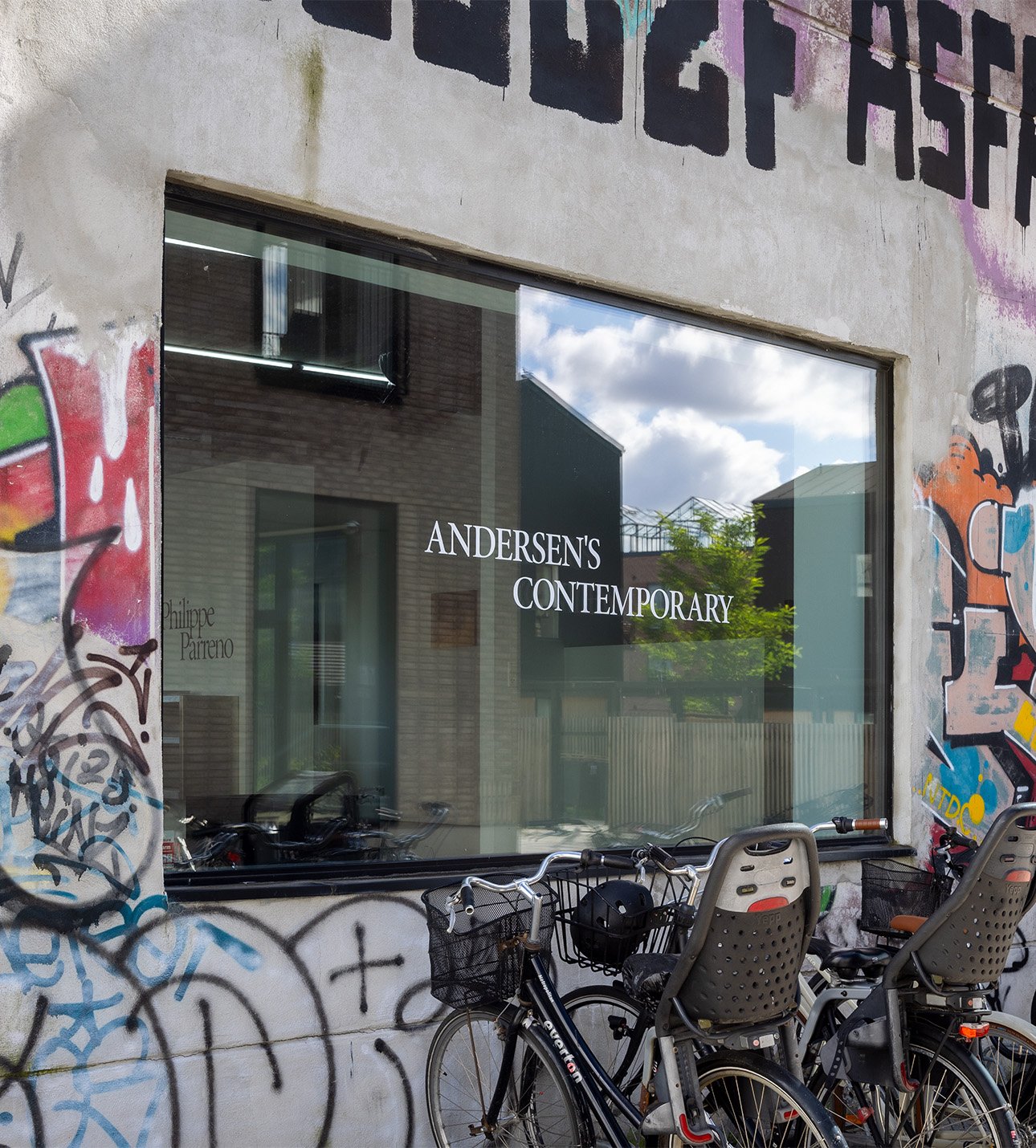
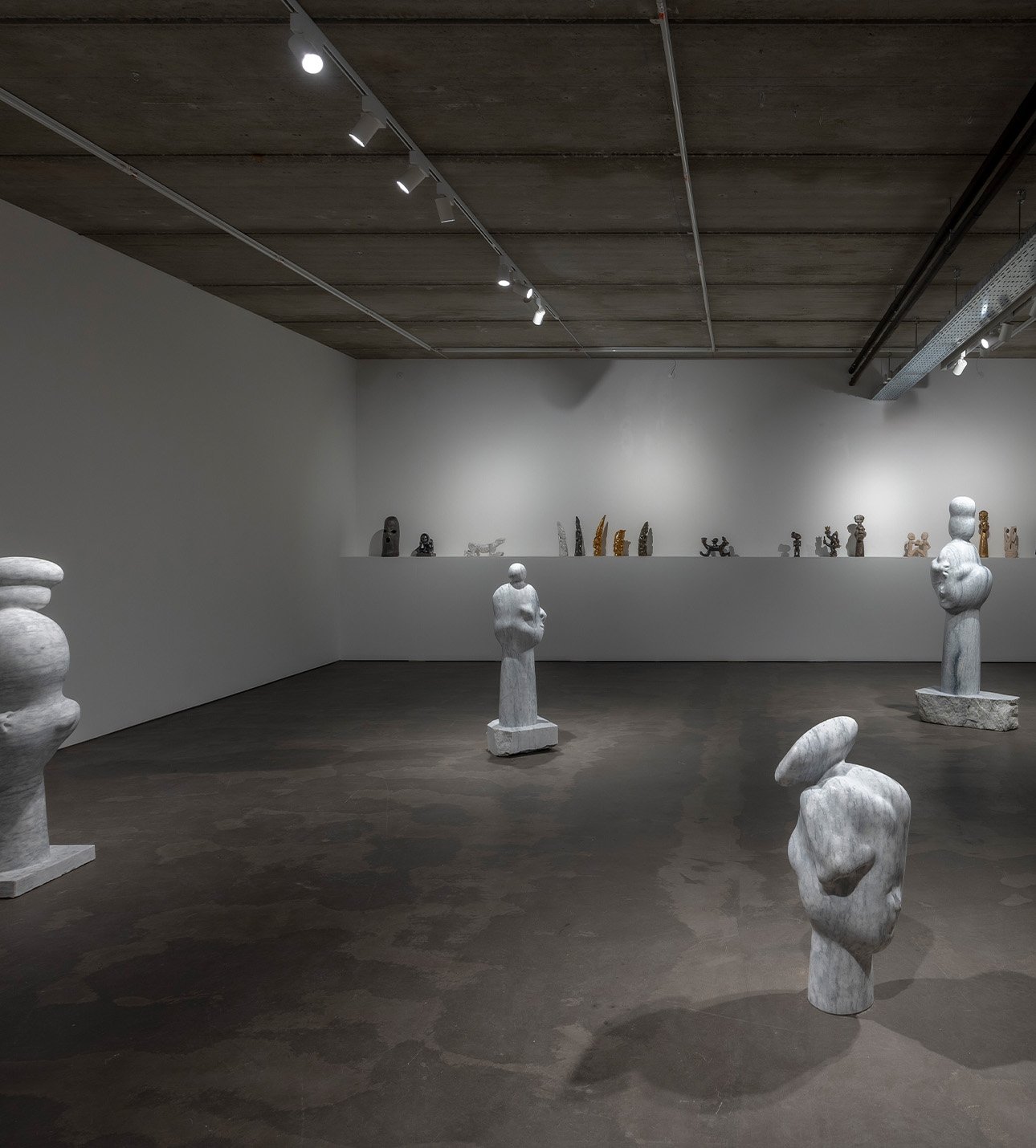
But inside number 49, the large white walls provide the setting for exhibitions of both Danish and international artists. Established as well as emerging. Painters and installation artists. Expressionists and impressionists. And photographic artworks, which were in fact the first type of art Claus Andersen personally invested in. For Euroman, he recounted the story of a photograph of a boy in East German sportswear standing by the Gedser-Rostock ferry—a piece costing 3,000 DKK, which he could hardly afford at the time, but that still hangs on his wall.
Claus himself is educated at the Royal Danish Academy of Fine Arts and moved to Berlin, which in the years following the fall of the Wall became the epicenter of modern art. There he established Andersen’s Wohnung, a hybrid of studio and gallery. Today, he operates from Rentemestervej at Andersen’s Contemporary, which he founded in 2005. The gallery has made a name for itself by creating a vibrant and experimental space for contemporary art. The raw character of the district fits perfectly with Andersen’s Contemporary, where visitors experience a close connection between the art and its surrounding environment.
What sets Andersen’s Contemporary apart is that it is not just an exhibition space. It also serves as a hub for dialogue, networking, and inspiration. Visitors have the opportunity to get closer to the artists, and events, talks, and openings are often organized where one can meet other art enthusiasts. In this way, a sense of community is created, making the visit more than just a visual experience.
“At Andersen’s, we exhibit art that is relevant to our time, sometimes political and radical, always in dialogue with society, with the aim of promoting a deeper understanding and free exchange of ideas and visions. Our financial independence comes solely from the sale of the art we exhibit,” says Claus Andersen on the gallery’s website.
In spring 2026, Andersen’s Contemporary opened a new exhibition presenting a range of artists from the USA, the UK, the Netherlands, Germany, and Sweden. The exhibition runs until the end of April.
Read more at www.andersenscontemporary.dk