





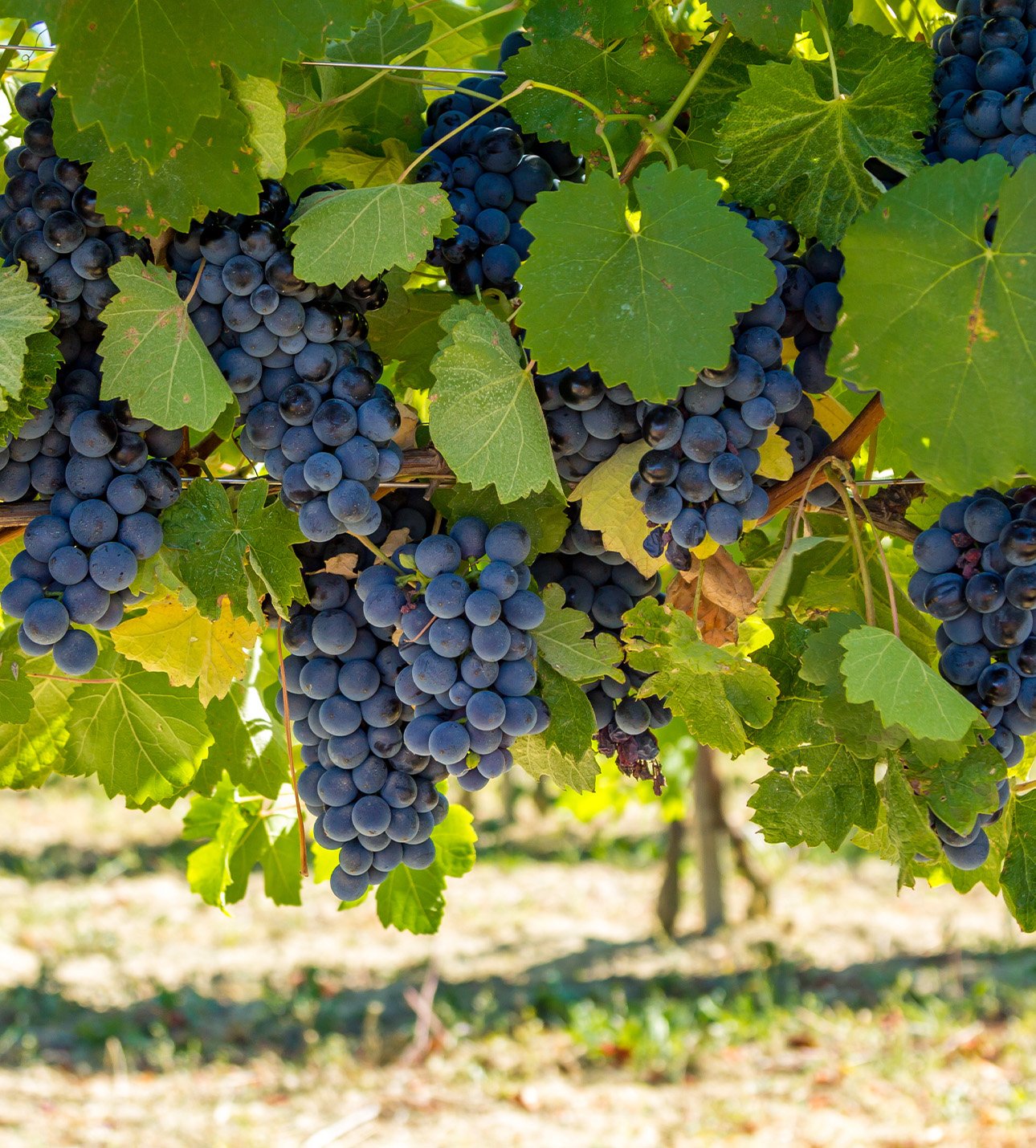
It is not an easy grape to work with. Nebbiolo is one of the world’s most distinctive and demanding grape varieties. Inextricably linked to Piedmont in north-western Italy, it forms the backbone of some of the country’s most iconic wines – Barolo and Barbaresco. For the dedicated wine lover, Nebbiolo represents a rare combination of structure, complexity and elegance.
The name Nebbiolo derives from the Italian word nebbia – meaning fog. A poetic reference to the misty autumn mornings that envelop the Langhe hills of Piedmont as the harvest begins. But it is also a fitting metaphor for the character of the grape itself: subtle, nuanced and never entirely transparent at first encounter.
Nebbiolo is defined by its distinctive structure – high acidity and pronounced tannins – yet without ever appearing heavy. On the contrary, the wine is vibrant, refined and precise. As sommelier Claus Tang-Holbek from Theis Vine explains: “The colour often comes as a surprise; relatively light, with brick-red hues appearing after only a few years of ageing. But behind this visual lightness lies a wine with impressive depth and considerable ageing potential.”
Aromatically, Nebbiolo ranks among the most complex grapes in the world of wine. A sommelier such as Claus Tang-Holbek would describe its nuances as classic notes of roses, violets and red cherries, often accompanied by tar, pipe tobacco and raw liquorice. With age, the wines develop a more ethereal character, with nuances of forest floor, dried leaves, mushrooms and occasionally truffle emerging alongside leather and dried flowers. Aroma and flavour come together in an expression that is both refined and persistent.

A Wine for Those in the Know
At a time when many wines strive for immediate accessibility, Nebbiolo stands as an uncompromising counterpoint. In its youth, it offers resistance – the tannins take hold, the structure tightens – and demands attention.
Nebbiolo is therefore rarely love at first sight. But for those who give the wine the right conditions – the right glass (Riedel Pinot Noir/Nebbiolo) and the right food – a world of detail and depth opens up that few grape varieties can match.
Food and Nebbiolo
Nebbiolo is first and foremost a wine made for food. To create balance, the food should contain three key elements: richness, protein and intensity. Without these, the wine’s structure risks becoming dominant.
“The classic pairings are found in Northern Italian cuisine: slow-braised meats such as ossobuco, oxtail or brasato al Barolo. Game – red deer, roe deer or pheasant – also pairs beautifully with the character of the wine,” says Claus Tang-Holbek, continuing:
“And then, of course, there are mushrooms and truffles. The combination with Nebbiolo is almost iconic. A creamy mushroom risotto or fresh pasta tossed in butter and topped with generous amounts of truffle brings out the wine’s earthy and aromatic depth in an almost perfect symbiosis.”
Tradition and Modernity
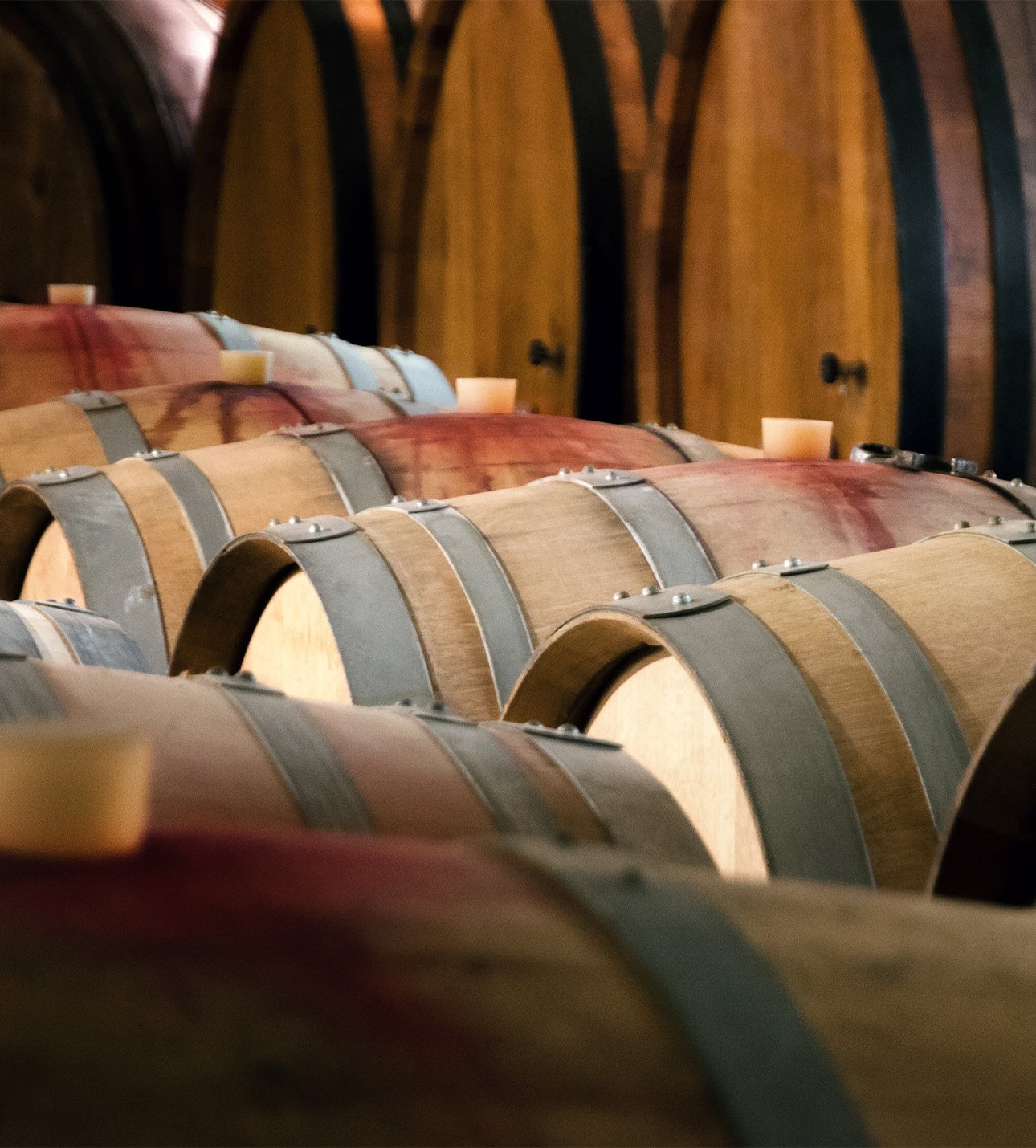
Traditionally, Nebbiolo has been vinified using long maceration periods. This is a process in which the grape skins are left to soak in the must for a period of time, giving the wine colour, tannins, aroma and body. It was then aged in large Slavonian oak casks – known as botti. The result was wines with pronounced structure and a considerable need for bottle ageing.
“Today, a new generation of producers takes a more nuanced approach to extraction and barrel ageing. Shorter maceration periods and the use of smaller barrels have created more accessible and polished expressions without necessarily compromising the character of the grape,” says Claus Tang-Holbek.
As a result, Nebbiolo today ranges from the classically austere to the more modern and approachable – both styles united by a shared respect for the grape’s identity.
A Reflection of Terroir
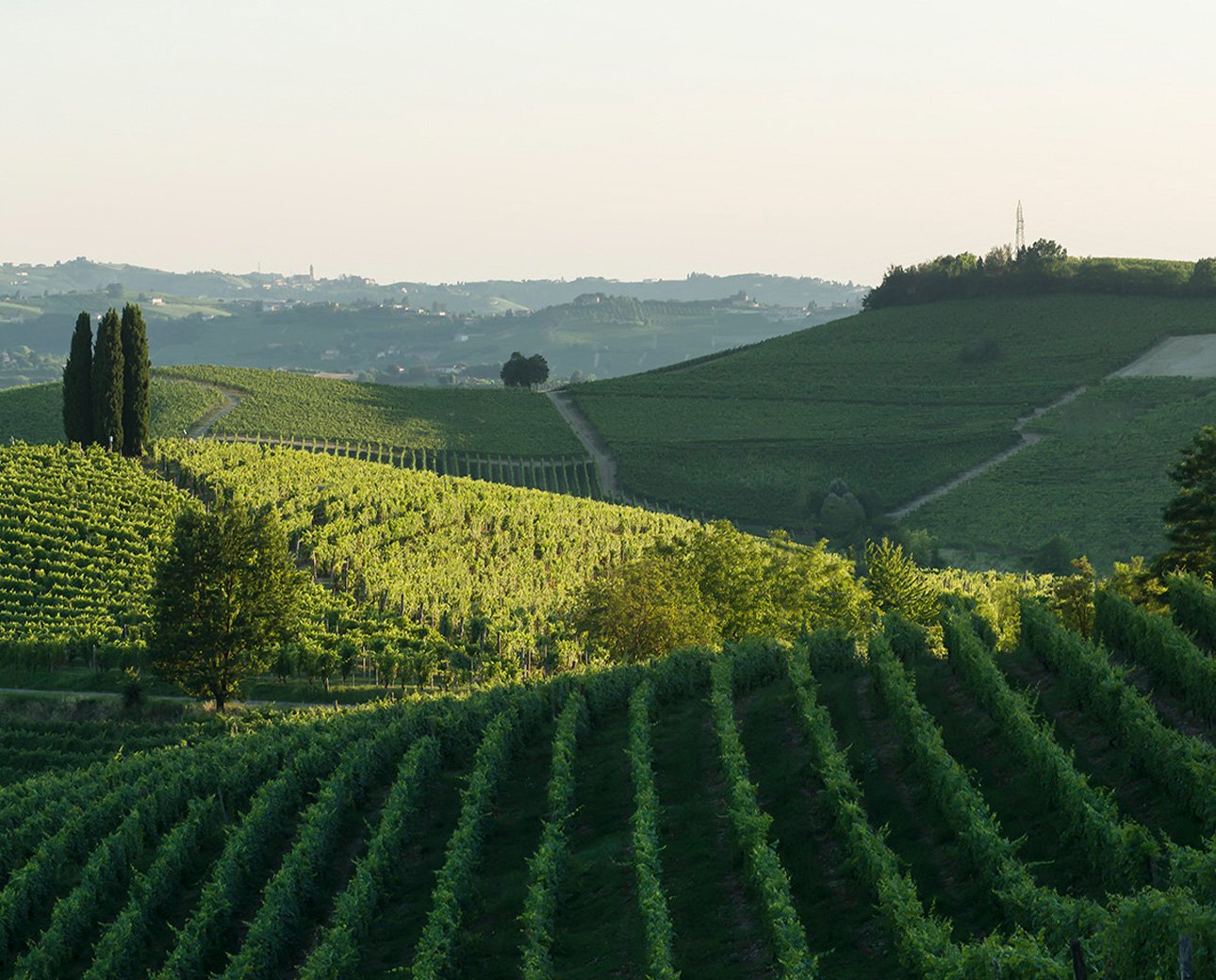
Nebbiolo is notoriously difficult to grow. It ripens late and places considerable demands on exposure and soil conditions. It thrives best in calcareous soils in well-drained, high-altitude vineyards, where even small variations in the microclimate can have a significant impact on the wine’s expression.
This is precisely why Nebbiolo is one of the world’s most precise expressions of terroir. The differences between, for example, the eastern and western zones of Barolo are distinct, while the contrast with Barbaresco offers valuable insight into the grape’s remarkable range.
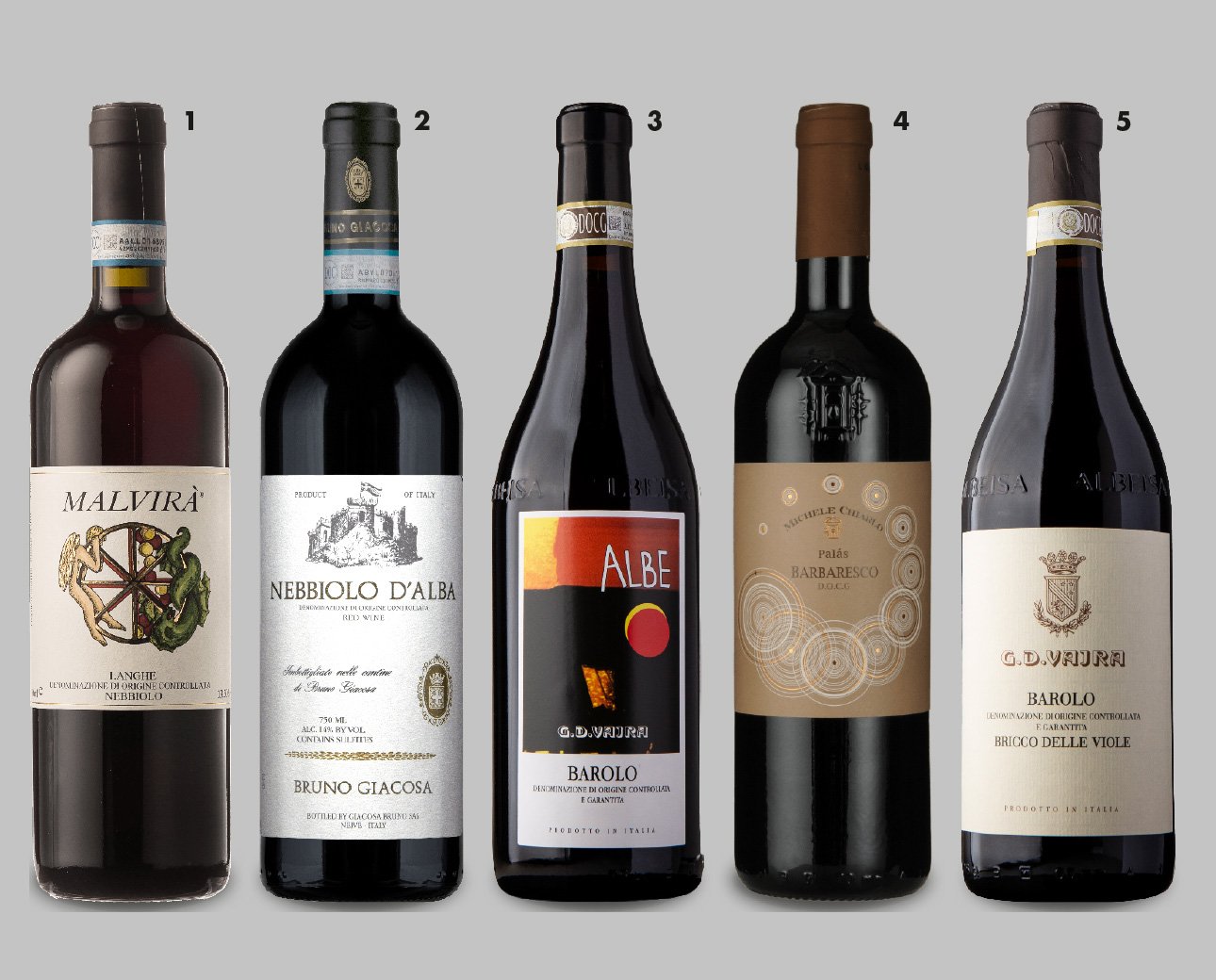
For the curious wine lover, tasting several interpretations side by side – for example, different Barolos or a comparison with Barbaresco – is an ideal way to experience just how clearly the wine’s origin is reflected in the glass. Although Barolo and Barbaresco represent the most prestigious expressions, Nebbiolo can be found in a broader range of styles throughout Piedmont. Appellations such as Langhe Nebbiolo and Nebbiolo d’Alba often offer a more immediate and accessible introduction to the grape’s character.
For those wishing to explore further, these wines can serve as an introduction to the world of Nebbiolo.