






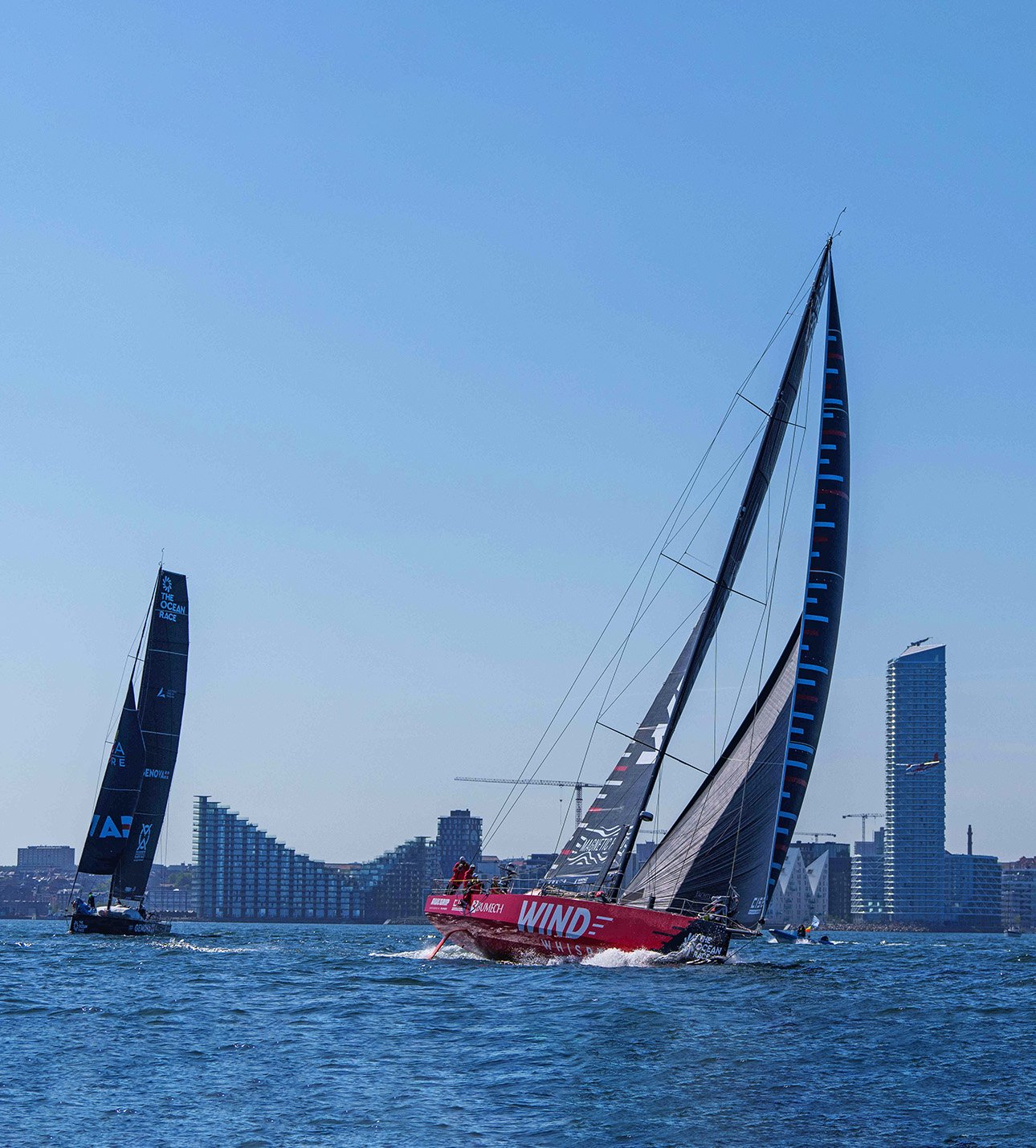
WHEN THE WORLD’S MOST FEARLESS SAILORS SET OFF AT THE BEGINNING OF 2027, it is not just to compete - it is to survive. THE OCEAN RACE, ONE OF THE MOST MYTHICAL AND BRUTAL SAILING RACES IN THE HISTORY OF SPORT, does not begin with a fanfare, but with silence. The icy silence that hangs over the ocean before the storm. AND THE STORM IS COMING. IT ALWAYS DOES.
The ultimate test
There is a world of difference when comparing the wooden ships of the past with the high-tech vessels that make up the fleet in The Ocean Race. Explorers such as Marco Polo and Christopher Columbus navigated the world’s oceans using a sextant, a compass, and incomplete nautical charts as their only aids. When it comes to today’s ocean-going racing sailors, we are talking about technological marvels with carbon-composite hulls, carbon-fiber masts, and precise GPS navigation equipment. Columbus had a crew of 40 men to reef the sails on the Santa Maria when he crossed the Atlantic and discovered America. Today, a 60-foot racing yacht can manage with a crew of five.
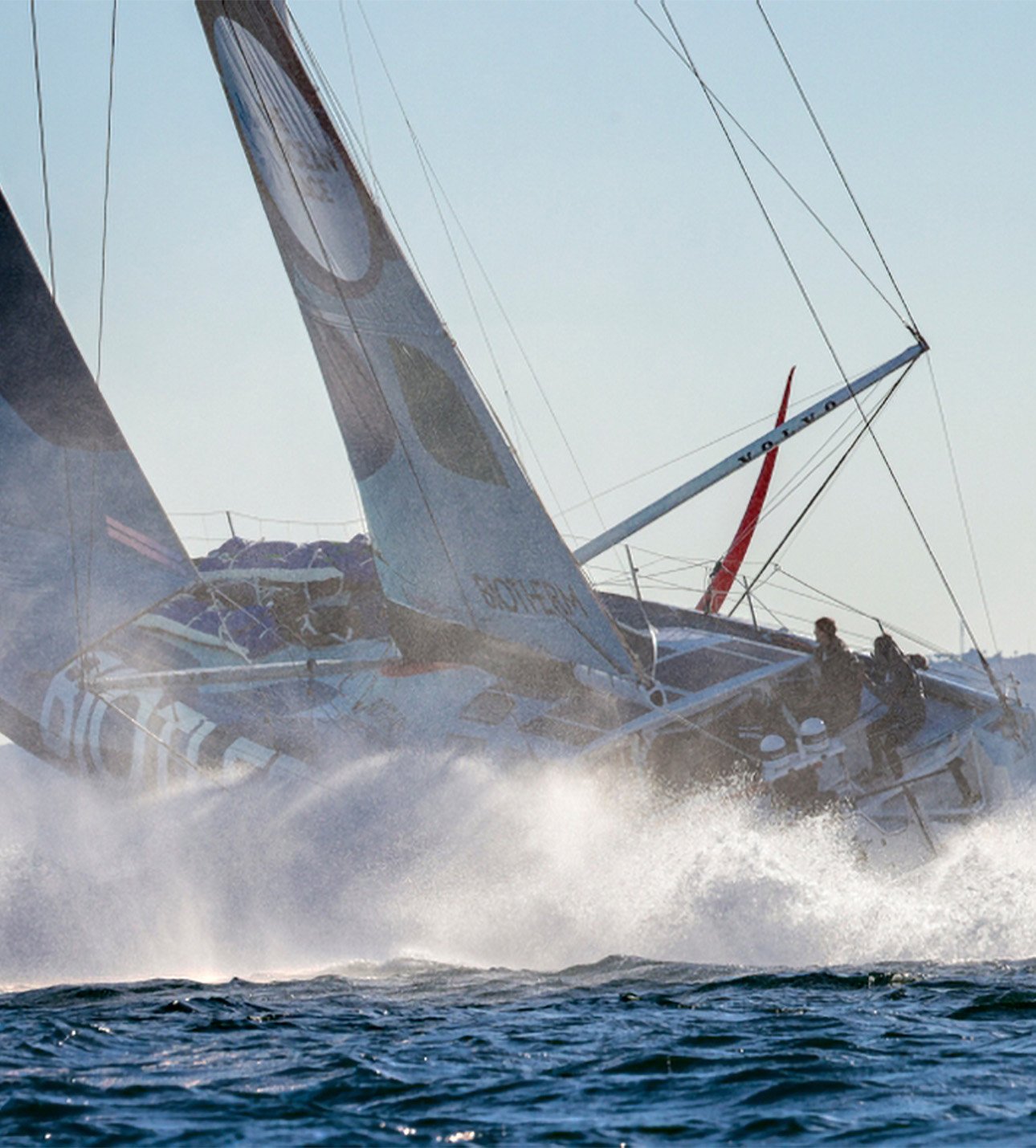
The Ocean Race is legendary - and has been the ultimate test in sailing since 1973. In 2023, the five IMOCA 60 boats completed a route that took them from Alicante in Spain via Cape Verde and Cape Town to Brazil, Newport, and on to Aarhus. From there, the final two stages went to The Hague and finally Genoa.
A route of 32,000 nautical miles, where the longest leg - from Cape Town south of Australia to Itajaí in Brazil - consisted of a voyage of 12,750 nautical miles. A journey that took the boats an average of 34 days to complete.
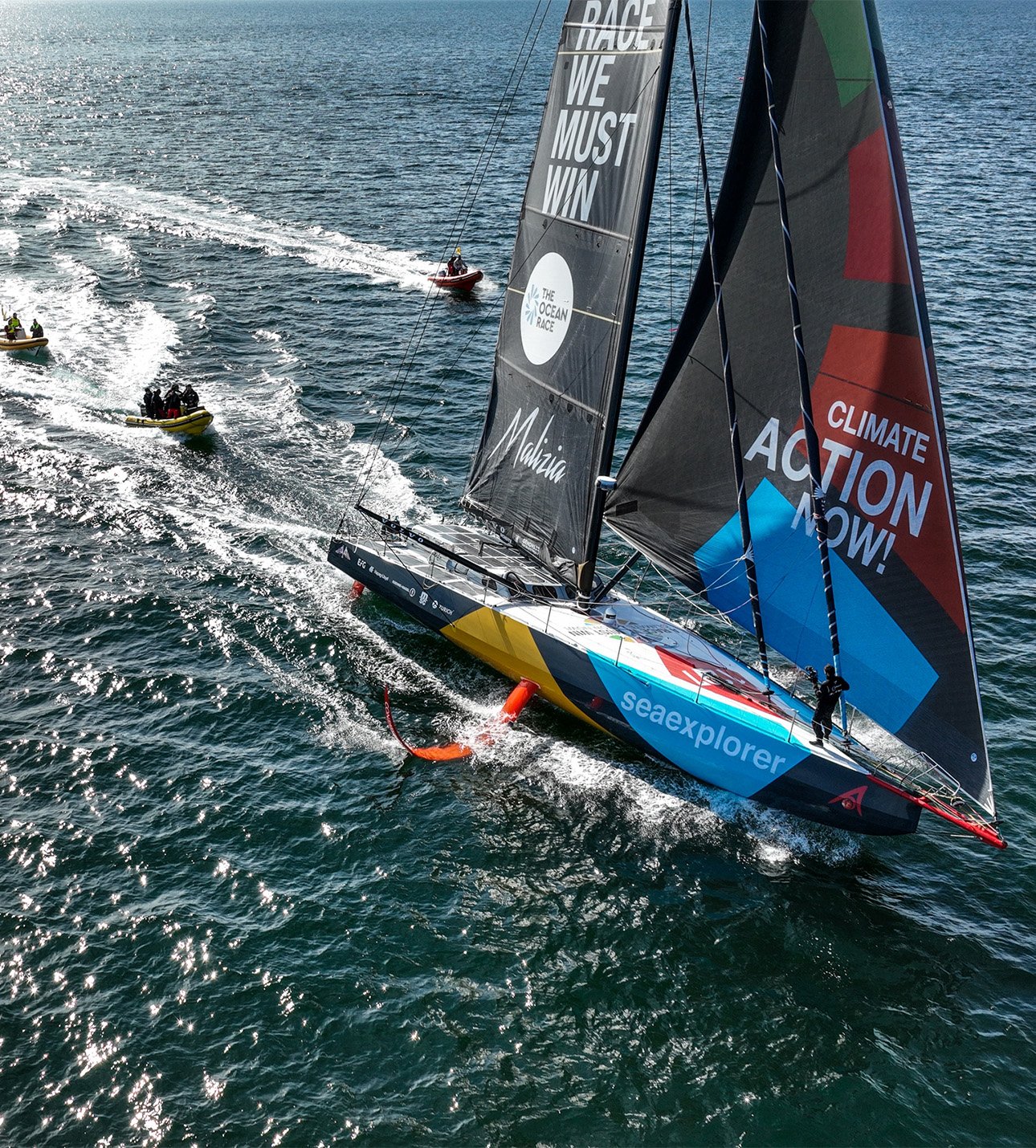
The Ocean Race represents the culmination of a legacy that stretches back to 1973 - and to this day, this round-the-world race is regarded as the ultimate test. Not only of sailing skills, but of teamwork, survival, technical expertise, and sheer willpower. With a route that winds through the world’s oceans and includes both the Southern Ocean and the notorious Cape Horn, it is a race where nothing can be taken for granted.
In 2023, one of the teams lost its mast in the middle of the South Atlantic. All lights went out, and communication was cut for nearly 48 hours. There was no contact, no trace - only speculation and prayers. When the team miraculously came back online via emergency equipment, the message was simple: “We continue.” That is the essence of The Ocean Race - steely determination in the face of uncertainty.
The Sea of Unpredictability
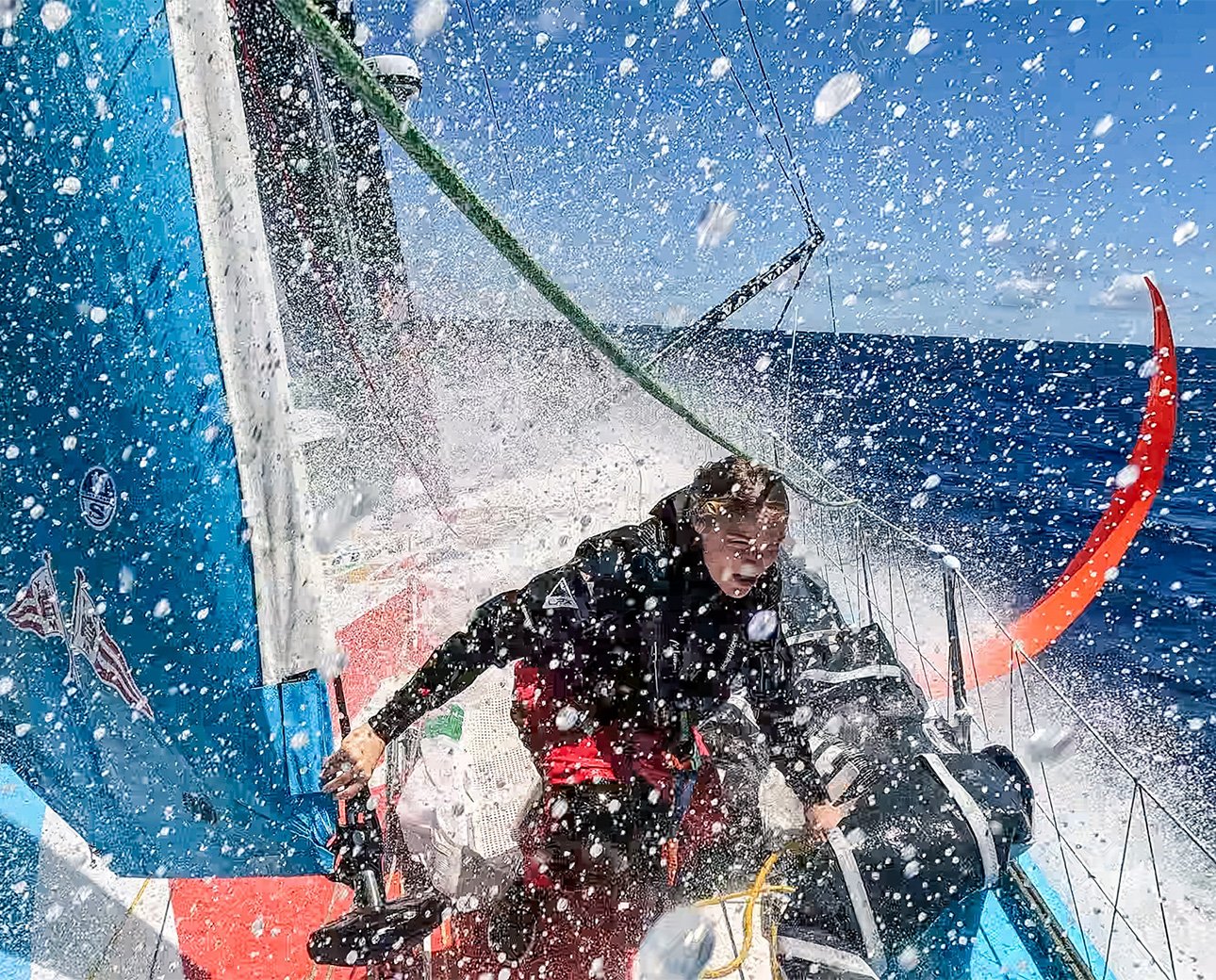
A moment of inattention, a misaligned foil, or a fracture in the carbon fiber can change the entire outcome of the race. Especially in the Southern Ocean, where waves can rise to 20 meters and winds scream at over 60 knots, there is no room for weakness. Every maneuver must be precise, every shift timed to perfection. This is where boats and people are separated - unless both are in absolute top form.
Another team in 2023 suffered a rudder failure while passing south of New Zealand. Only by harnessing the power of the sails and using improvised steering did they manage to stay on course toward the nearest stopover port - a maneuver later described as “one of the most remarkable rescue operations in modern sailing.”
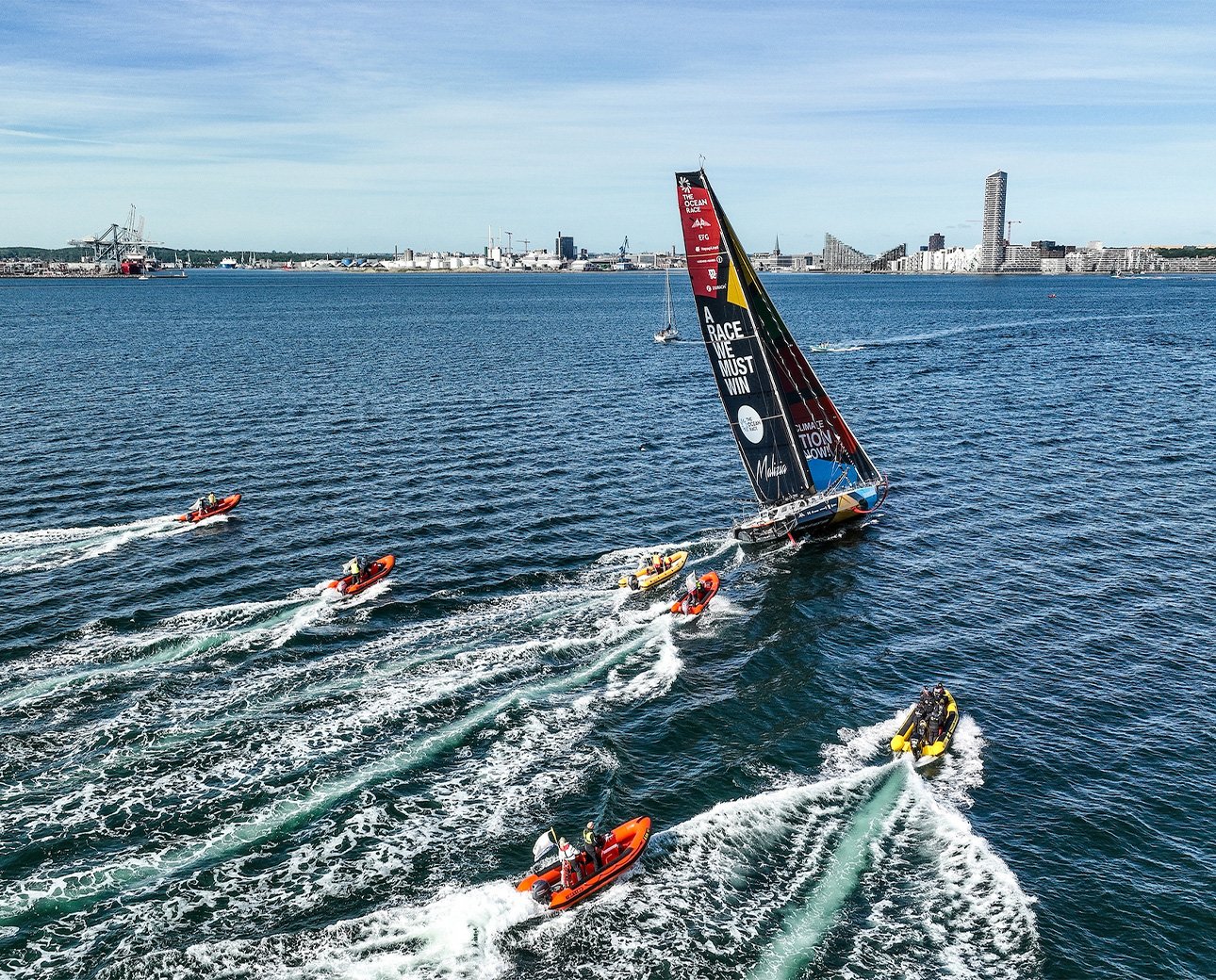
The Ocean Race 2027: The Epic Return
On the horizon awaits The Ocean Race 2027 - a new edition of the race that already signals a revolution in format. Starting from Alicante, Spain, with stopover ports stretching from South America to New Zealand, Antarctica, and on to Africa, this edition will be the most extreme in the race’s history.
As if that weren’t enough, 2027 will feature the longest non-stop leg ever: more than 9,000 nautical miles without land in sight, from Cape Town, South Africa, to Punta Arenas, Chile, via the deepest reaches of the Southern Ocean. Here, help is days away - and every wave can mean the difference between success and catastrophe. The IMOCAs - extremely lightweight, fast, and technologically advanced boats - will dominate the fleet.
These vessels, almost more airborne than sailing, cut through the water at speeds exceeding 40 knots. But with speed comes risk. A collision with iceberg-like drifting ice, a misreading of weather systems, or a single moment of fatigue can result in total collapse. Here, both the power of technology and human judgment are put to the ultimate test.
Towards Europe’s Coasts: Europe 2025
Before 2027, the world’s elite will also have set their course for Europe 2025, a regatta from Kiel, Germany, to Boka Bay in Montenegro in August. An elegant and strategic race cutting through the heart of Europe, where the moods of the Mediterranean and the tactical demands of the Baltic Sea converge in a single intense culmination. This contest across the continent’s sea routes serves as both a training ground and a prestige project - and many of the Ocean Race teams are expected to take part as a dress rehearsal ahead of 2027.
The Atlantic Race 2026: The Great Transatlantic Test
Meanwhile, another challenge looms: The Atlantic Race 2026, which sends participants from Europe’s west coast to the eastern seaboard of the United States. A classic yet unpredictable transatlantic passage, where warm air currents from the south meet the cold breath of the polar front. Here, navigational skills and meteorological intuition are tested in constantly changing conditions. Many teams use this race as preparation - because if you cannot tame the Atlantic, you stand no chance in The Ocean Race.
The Call of the Deep
For those of us on land, The Ocean Race is a drama in slow motion — a global adventure we follow through GPS tracking, live cameras, and deeply personal logbook entries. For the sailors themselves, it is a total experience: the glow of the aurora over Antarctica, the silence at the heart of the storm, the taste of salt on their lips, the lack of sleep, cracked hands, and the feeling of indescribable freedom.