




Rum is often associated with the Caribbean, palm trees, and pirates, but today it extends far beyond that folkloric image. Many producers now operate with the same level of ambition and craftsmanship as those in the whisky and cognac world - and one of the most successful examples is Ron Zacapa from Guatemala. It is a rum that is both accessible to the curious drinker and sophisticated enough to interest the more experienced rum enthusiast.
Ron Zacapa
In modern times, rum has often been associated with cocktails like Cuba Libre - or simply rum and cola. A relatively inexpensive spirit produced from molasses derived from sugarcane production in the Caribbean and Central America. A liquid that almost cried out for a bottle of cola. But as with all spirits, there is a bottom and a top. The price of a bottle of rum can easily climb into the thousands of kroner and deliver a tasting experience that makes the birds sing.
But there is also a golden middle ground. A path that doesn’t cost a fortune, yet still delivers unique flavour experiences. And for the slightly experienced rum drinker, such a middle ground could very well come from Guatemala.
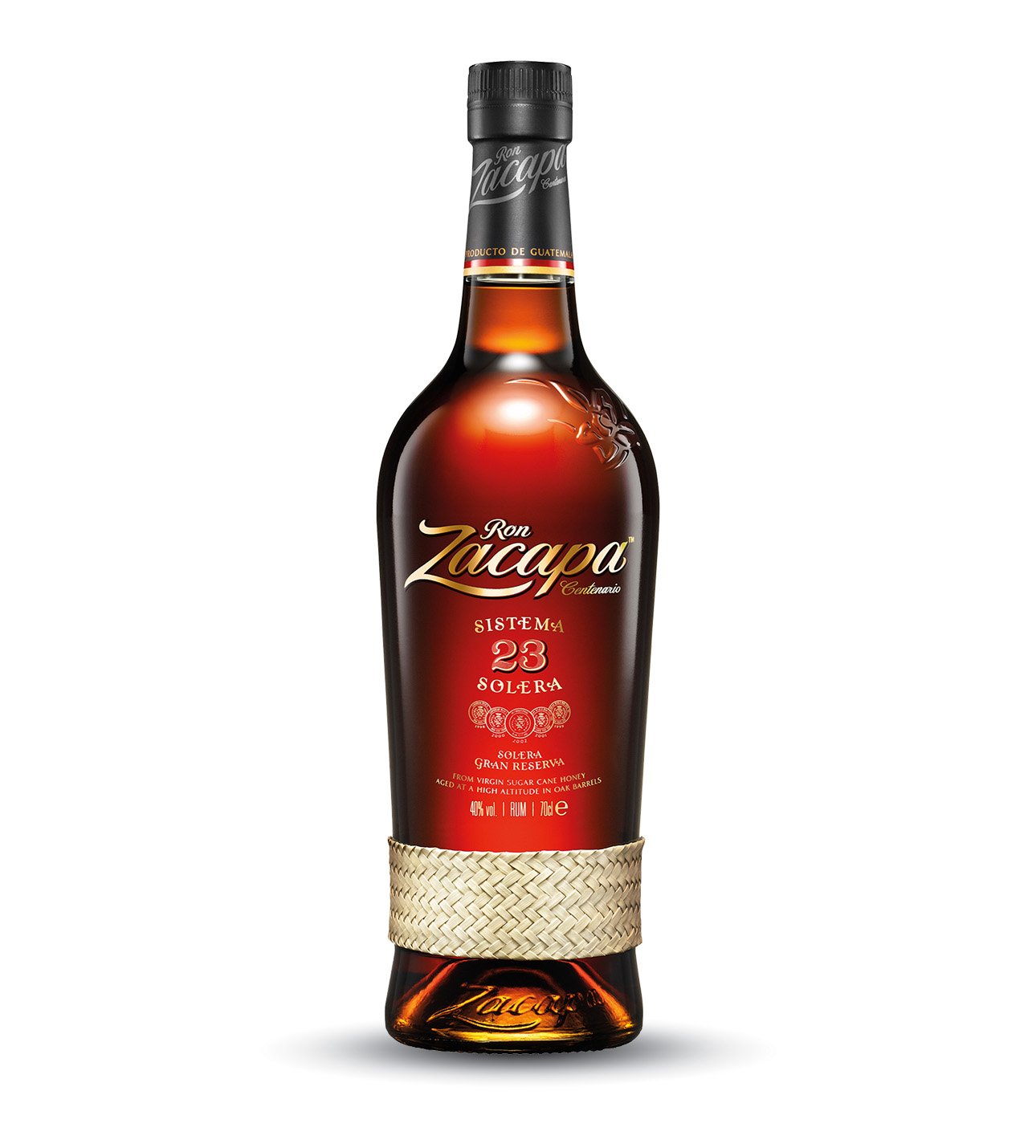
Many rum producers - and there are quite a few of them - have a long history behind them. Take :contentReference[oaicite:0]{index=0}, for example, which distilled its first bottle of rum as far back as 1703. One of today’s most popular brands is :contentReference[oaicite:1]{index=1}, recognizable by the distinctive petate band around the bottle, woven by local women as a tribute to tradition, craftsmanship, and origin. The rum itself, however, is only around 50 years old.
Ron Zacapa was founded in 1976 to mark the 100th anniversary of the city of Zacapa. From the very beginning, a different approach was chosen compared to most rum producers. Instead of aging the rum in tropical coastal heat, Zacapa is matured at more than 2,300 meters above sea level in the mountains of Guatemala - in the famous “House above the clouds”.
The cooler climate means the rum develops more slowly. This allows for greater control over the flavour and reduces the amount of alcohol that evaporates during aging. For the drinker, this results in a smoother, more rounded style with clearly defined layers of flavour rather than harsh alcohol.
The raw material makes the difference
Most rum is produced from molasses, a by-product of sugar production. Zacapa takes a step earlier in the process and instead uses virgin sugarcane honey - the first, concentrated sugarcane juice.
This provides a cleaner starting point for fermentation and results in a rum with natural sweetness, without becoming heavy or sticky. For many, this is exactly where Zacapa clearly distinguishes itself from more simple types of rum.
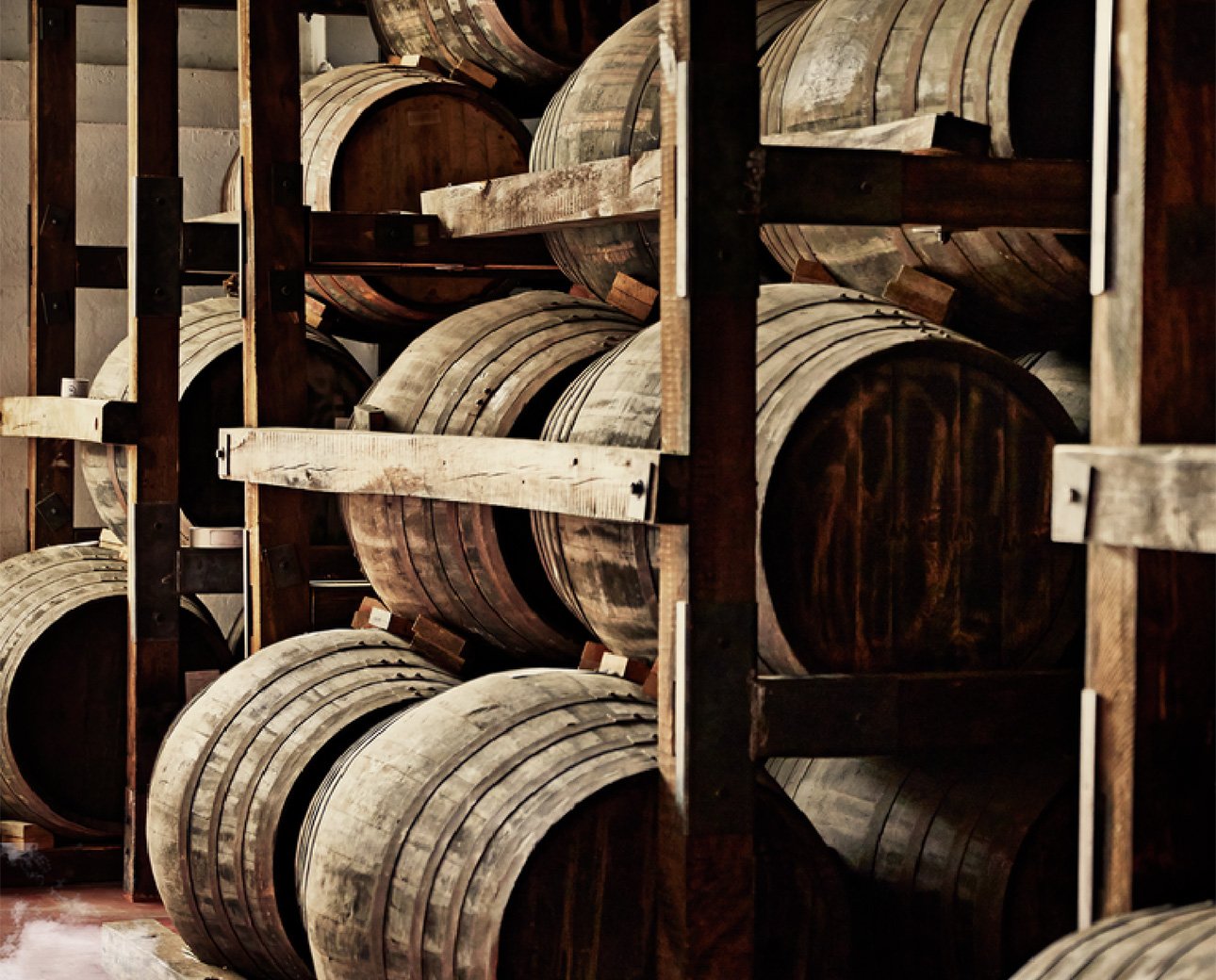
Zacapa is aged using the solera method, known from sherry production. Rums of different ages are continuously blended in a system of barrels, where the oldest rum is gradually drawn off while younger rum is added.
The rum is matured in several types of casks to give it different flavour nuances and colour - for example American bourbon barrels, Oloroso and Pedro Ximénez sherry casks, and in some cases also old cognac barrels.
For the one tasting it, this results in notes of vanilla, caramel, dried fruit, nuts, chocolate and mild spices - a complexity that is easy to approach, yet rewarding to explore over time.
A rum you grow with
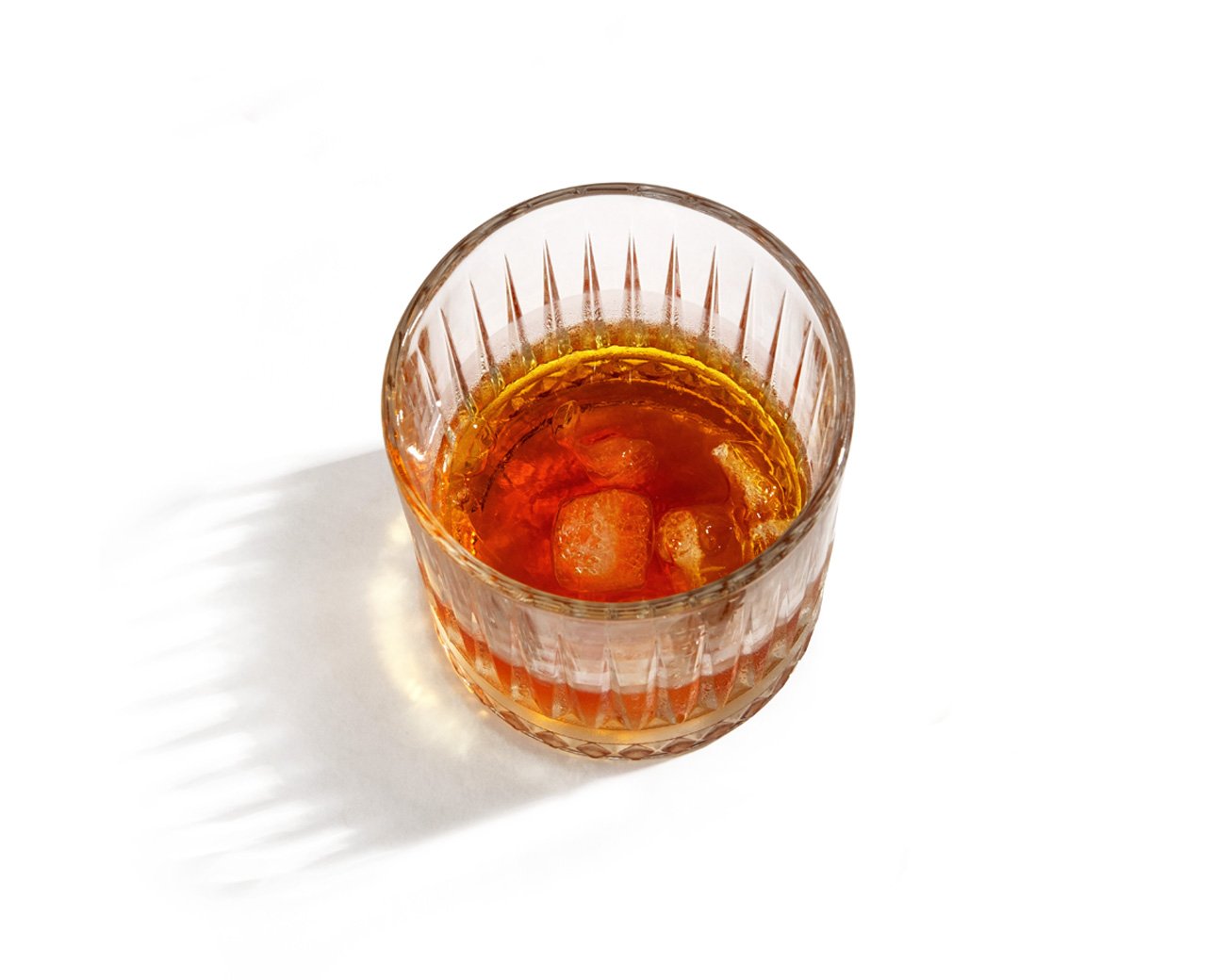
Zacapa is made to be enjoyed slowly. Preferably neat in a tulip-shaped glass or a low whisky glass - allowing the sweet and spicy aromas to fully unfold. A single ice cube can open up the rum further and slightly soften the alcohol without removing its complexity. Avoid soda or sweet mixers, as they easily overpower the delicate nuances.
Zacapa also works well as a companion to dark chocolate, nuts or a mild cigar, where the rum’s notes of caramel, dried fruit and spice gain extra depth.
It’s a balance between the accessible and the complex. In short, it’s a rum you can understand from the very first sip